Plympton-Wyoming mayoral candidate suggests using mayor powers to pick top staff

More questions than answers as province changes plans for regional conservation authorities
March 10, 2026
Heather Wright/The Independent
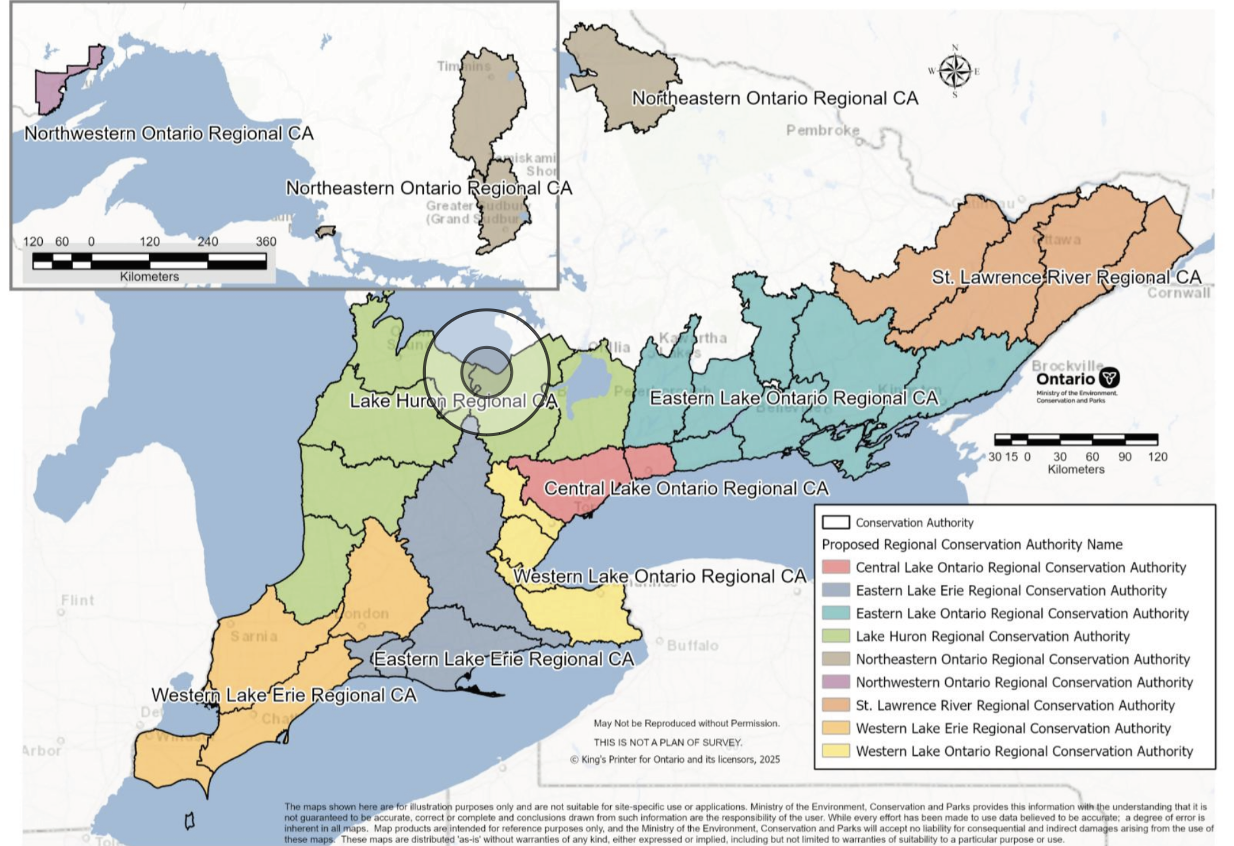
Ontario is moving ahead with changes to conservation authorities, merging 36 agencies into nine in a bid to harmonize regulation and make it easier for developers to get housing projects approved.
In Lambton, boundary change being met with guarded optimism with the head of the St. Clair Region Conservation Authority saying the new regions may be the “best case scenario.”
The plan to amalgamate the flood-control organizations drew wide-spread criticism from environmentalists, who say the authorities main duty is to prevent flooding and protect wildlife habitat, to municipal leaders, who argued the province only provides two per cent of the funding and should not be able to merge the organizations.
Todd McCarthy, Minister of the Environment, Conservation and Parks said Tuesday the province move ahead, creating nine regional bodies instead of seven it planned after consultations in the fall “refined and strengthened our plan, including optimizing regional boundaries to better reflect local needs.”
The Lake Erie region, which stretched into Elgin and Norfolk is split in two, with St. Clair joining the Windsor-Essex, and Upper and Lower Thames Conservation Authorities.
“This is the best case scenario for us,” said Ken Phillips, general manager of the St. Clair Region. “It does reduce the size of the area and we do have a solid working relationship with those three conservation authorities so it should be a good collaboration.”
he province also plans to hire regional CAO’s for the new bodies, although Phillips says it is not clear if current general managers, like himself, will be able to apply for the jobs.
The minister also announced how municipalities would be involved in the new structure. There will be regional boards – called watershed councils – of between 15 and 20 people. They’ll be appointed by regional governments – for example Lambton County – not municipalities as in the past. With the boards being limited in size, Phillips says Lambton – including Sarnia – may only have four representatives. There are 18 people on the St. Clair board now.
The province says the funding of the authorities will remain the same; municipal governments will continue to collect the money needed to run the services.
It will take longer to implement the changes; the province planned to have the new regional authorities in place for October to coincide with the municipal elections. It now says it will be mid-2027.
The Ontario Provincial Conservation Authority, created last year, will be given $3 million a year in funding to lead the mergers.
Phillips says while the province says its moving forward, he still has “more questions than answers.” He’s been told there will be an opportunity for those questions in the near future.
“The question I would have directly for the Minister, if given the opportunity, would be; there are currently tens of thousands of homes that already have permits in place, already have servicing in place, that haven’t put on shovel in the ground. I would like to know how that’s the fault of conservation authorities?” he said. “Please justify why none of these homes are being built when we’ve already given them permits to build.”
Municipalities have been vocal critics of the plan, with Dawn-Euphemia Mayor Al Broad calling for the mergers to be stopped. In an email Tuesday, Plympton-Wyoming Councillor Kristen Rodrigues said she’s still concerned St. Clair is not part of a watershed which includes Lake Huron.
NEXT
One in four Lambton families food insecure
PREVIOUS
Former owners of Legionnaires returning next season
Front Page
Plympton-Wyoming mayoral candidate suggests using mayor powers to pick top staff
October 7, 2026
Heather Wright/The Independent Plympton-Wyoming Mayoral Candidate Tim Wilkins says he’s not a “big believer” in Strong Mayor Powers but says if he did use them, it would be to pick the town’s chief administrative officer. The statement came during the first of two All-Candidates night in the town; this one organized by the Huron Shores Optimist Club in Camlachie Oct.
Read More
Front Page
Politicians did know about Clean Harbors project says CAO
October 7, 2026
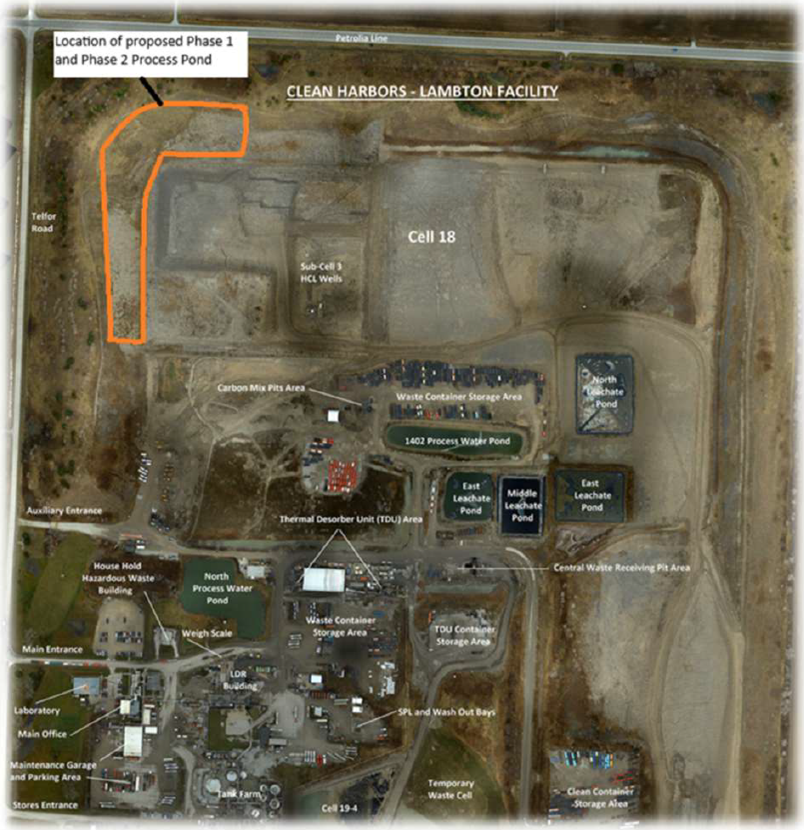
Heather Wright/The Independent St. Clair Township officials say members of councillors were aware of a new storm water project at Clean Harbors. And, they say, officials have not yet considered appealing the decision by the Environmental Compliance Approvals Branch of the Ministry of the Environment, Conservation and Parks allowing the project to go ahead. In Oct. 2025, the US-based company
Read More

Front Page
Flyers goaltender Brown posts first PJHL win
October 7, 2026
Barry Wright/The Independent A trip to Aylmer Saturday will be a lifelong memory for Petrolia Flyers goaltender Ryder Brown. He kicked out 44 shots for his first career PJHL victory backstopping the Flyers to a 6-3 win against the Spitfires. Rhett Joy and Casey Guerette led the winners with a goal and an assist each. Nathan Beer, Nathan Reidhead, Noel
Read More

Front Page
Flags snap losing streak with a pair of weekend wins
October 7, 2026
Barry Wright/The Independent Casey Schouten had a goal and three assists to lead the Mooretown Flags to a 5-1 win over Amherstburg in PJHLaction Saturday at the Moore Sports Complex. The Flags are now 3-3-2 on the season. Jack Baerg scored twice for the winners with the others going to Wes Robertson and Carson Crawford. Jace Dupuis had three assists.
Read More