Trustee candidate calls for the return of ‘true’ history

Glenn Ogilvie Photos
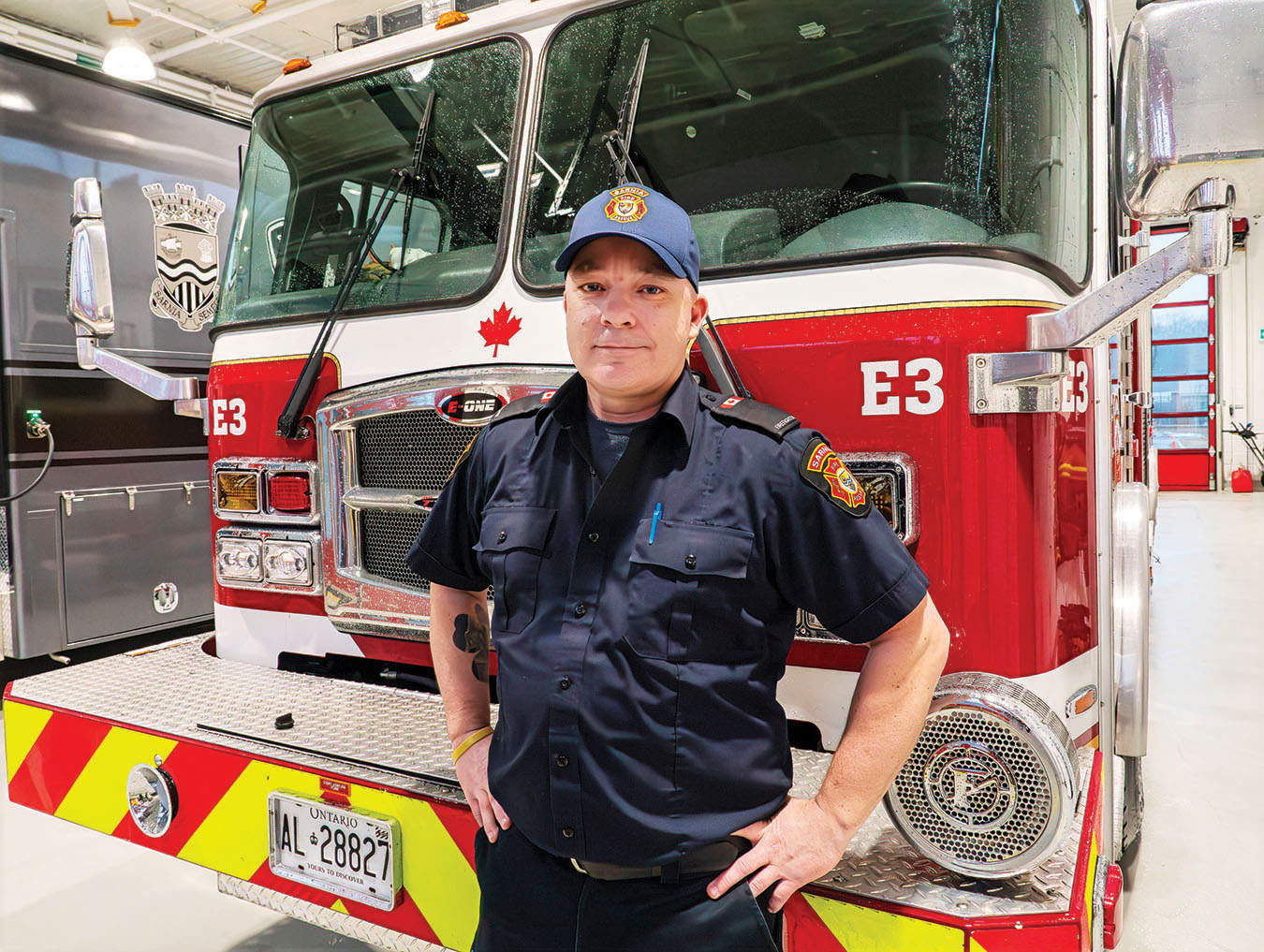
Sarnia firefighter Doug McCurdy developed Post Traumantic Stress Disorder and abused OxyContin following several disturbing work calls. He’s seven years clean.
ROADS TO RECOVERY: It’s about doing the right thing every day
May 16, 2026
EDITOR’S NOTE: Sarnia-Lambton is struggling with an unprecedented addiction crisis, generating plenty of news about overdoses and homelessness. But sometimes there is recovery. And it’s anticipated that new government investment in local services and facilities will bring additional relief. The award-winning team of journalist Cathy Dobson and photographer Glenn Ogilvie set out this past winter to find individuals who have experienced serious alcohol and drug addictions, and who found their own path to recovery. Below, you can find the full supplement which appeared in The Independent May 14, 2026. Watch here for further stories.
Cathy Dobson/Local Journalism Initiative
Doug McCurdy beams as he surveys the fresh drywall and new flooring of his partially-renovated living room.
“It feels great to own my own home again. I love working on it myself,” he says. “Life is good right now.”
McCurdy has been a Sarnia firefighter for 24 years and is the proud father of two boys. He focuses daily on staying healthy, rising early for brisk walks, going to the gym, and checking in regularly with the people who matter to him.
He’s worked hard for all the good things in his life.
A few years ago, things were very different. McCurdy, 47, knows how easily his physical and mental health can slip away.
After becoming a professional firefighter, McCurdy lost his parents. His father took his own life in 2005 and his mom died in 2010 from complications brought on by multiple sclerosis.
“As the years went on, I started to go through depression and I didn’t understand it,” he said. “I had a dream job, I was married, I had two beautiful kids, a nice house.
“I’d come home from work and I was miserable. I couldn’t sleep and I didn’t know why.”
At work, no one talked about mental health in those days, said McCurdy. “There was such a stigma that men don’t cry. I felt I’d look weak if I said I was struggling.”
He now knows his mental health was impacted by work; the response calls involving suicide, and one involving the murder of two children.
“I was really hurting inside and then when my wife and I separated, I was on my own and I wasn’t in a good place,” he said. To cope, he turned to alcohol and partying.
In 2014, McCurdy broke his neck playing hockey and became addicted to prescription painkillers. There were certain calls he couldn’t stop thinking about, and he lied to his doctor saying he was still in pain, even when he wasn’t.
“I didn’t think I had a problem at that point,” he said. “I thought that when my renewal comes up, I just won’t go and get it.” But he did. Over and over for several years. Eventually, a two-week OxyContin prescription would last just six days.
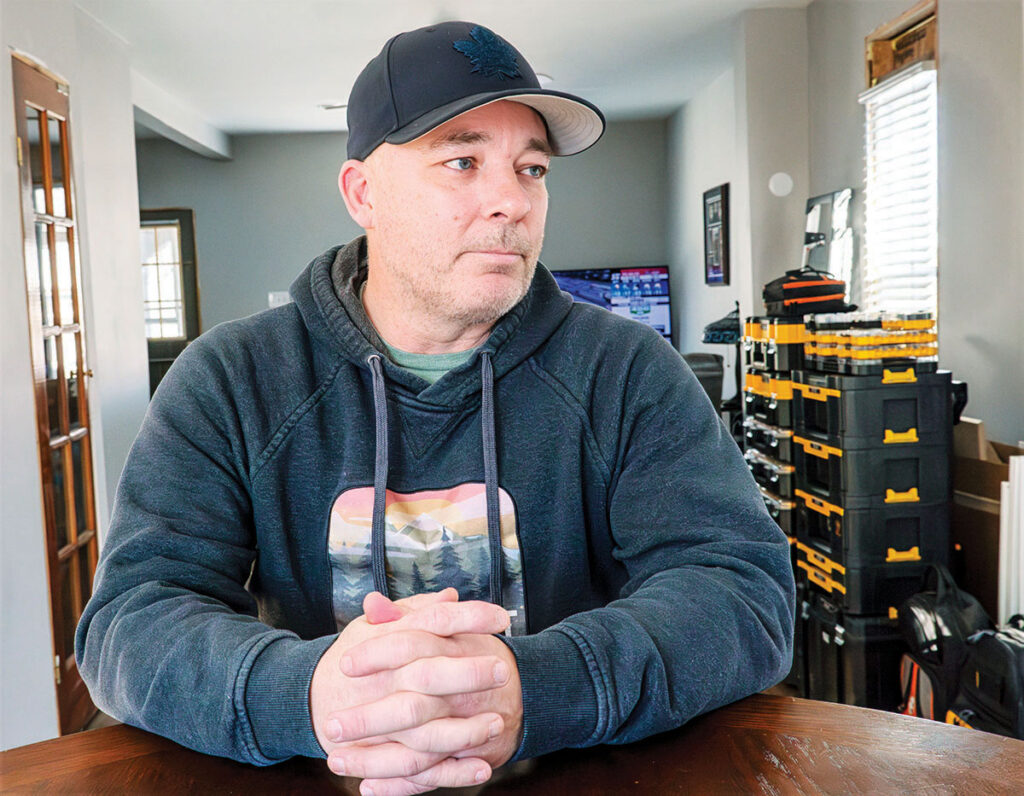
“I was so addicted and was abusing Oxys. I needed them just to function and I could lie pretty easily by this point,” he said. “I was really struggling with mental health and thinking that maybe my dad did the right thing.”
Finally in 2017, he made a life-changing call to his union president.
“I was bawling my eyes out and said I need help. I can’t do this anymore,” he said. “I’d run out of excuses to my doctor why I needed my prescription early. And I knew I was going to die if I kept going down that path.”
McCurdy was diagnosed with Post-Traumatic Stress Disorder (PTSD).
Thankfully, the year before the Ontario government had formally recognized PTSD as a work-related condition for firefighters and other first responders. That made it easier for McCurdy to access Workplace Safety and Insurance Board (WSIB) benefits for his treatment.
“The province’s decision to recognize PTSD as work related has saved countless lives,” said McCurdy. “Now (first responders) are able to get the help they need.”
He was offered a bed at The Residence at Homewood, a private mental health facility in Guelph that specializes in PTSD and addiction. McCurdy told himself he was there strictly to stop using Oxy. “I was in denial.” He didn’t address his PTSD at that point.
“So when I got back to Sarnia, I rushed back to work and kept drinking. I felt embarrassed and didn’t deal with my addiction the way I should have.”
Drinking led to more partying and to hard drugs. His drug of choice was crack but he tried Fentanyl too. He stopped seeing his psychologist and pushed family and friends away.
A second leave from work was inevitable. He overdosed. This time when he went to rehab it was different. He bought into the entire program, including PTSD therapy.
During those four months of rehab, he lost custody of his kids, was evicted from his apartment and lost most of his belongings when his landlord tossed them on the boulevard. Even his car was repossessed.
“It was a big kick in the ass for me. I realized if I ever wanted my kids again, I’d better get clean and look at the root of the problem for why I was using drugs.”
The addicted think no one cares about them, said McCurdy. “People do care, your loved ones, your friends just want you to get better.
“I realized how lucky I was that I had this opportunity to turn my life around and nothing was going to stop me.”
That was seven years ago.
He returned from Homewood without a place to live but had the resources to stay in a hotel. Looking back, not being able to return to his old apartment was a blessing, McCurdy said. His old place was the party house and he needed to get away from that crowd.
“I cut out the people from my drug use days,” he said. “Five of them are dead now.”
Eventually, he regained shared custody of his boys, returned to work in 2020 and started playing hockey and baseball again. He’s got a girlfriend who frequently attends 12-step meetings with him.
And in 2024, he was able to buy a house.
“There’s one more thing I want to say,” he said. “People sometimes say I’m cured. That’s not really the way it is. Recovery is a lifelong process that I work at every day.
“If I get complacent I know addiction will sneak up on me, so honesty is a huge part of my life now.
“It’s about doing the right thing every day.”
Where to find help
- Alcoholics Anonymous – 519-337-5211 www.aasarnialambton.com
- Narcotics Anonymous – 1-800-573-0920 www.orscna.org
- Canadian Mental Health Lambton Kent – 519-337-5411 www.lambtonkent.cmha.ca
- 24/7 Canadian Mental Health Crisis Line – 519-336-3445 or 1-800-307-4319
- Drug Addiction Hotline – 1-800-721-3232
- Distress Line (Family Counselling Centre) – 519-336-3000
- Bluewater Health Community Addiction Support – outpatient and walk-in services, crisis intervention, counselling, treatment referrals, for people in Sarnia-Lambton who struggle with substance abuse. Phone 519-332-4673 or email possible@bluewaterhealth.ca. Location: Bluewater Health, Level 6, Russell Building, 89 Norman St. Sarnia.
- Bluewater Health Acute Withdrawal Management – includes inpatient, 7-bed unit for detox for three – five days. Self referral. Counselling. 24/7 519-464-4487
- Bluewater Health Ryan’s House Stabilization Facility, a second-stage withdrawal management facility. Offers 12 beds for men and women over 16 to stay up to one month for early recovery following detox. 306 Exmouth St. Sarnia.
- HART (Homelessness and Addiction Recovery Treatment) Hub – recently opened in Sarnia. Two locations. 30-bed residential facility (up to 18 months) considered the third stage for recovery in Sarnia-Lambton, following detox and Ryan’s House. 275 Wellington St. (formerly SCITS high school).
- HART Hub drop-in at 210 Lochiel St. offers recovery support services, showers, laundry, a kitchen, health care referrals, help finding housing, employment, and mental health supports.
- Suicide Crisis Helpline – 9-8-8 (call or text)
- Community Health Integrated Care (CHIC Team) Daily, on-scene interventions, rapid response, withdrawal management.
- MobileCare – Community Health Outreach. Travels across urban and rural S-L with free, walk in services. No appointment required. Primary care, mental health care, addictions services, withdrawal management services and referrals. 1-866-299-7447. www.sl.mobilecareclinic.ca.
- Bluewater Methadone Clinic S-L at 118 Victoria St. in Sarnia. 519-337-5000.
- Chippewas of Kettle and Stony Point Health Services for mental health and addictions at 6275 Indian Lane, Lambton Shores. 519-786-5647.
- Youth Wellness Hub – 190 Front St. for ages 12 – 25 and their families. Crisis/Walk in support, case management, psychotherapy, peer support, addiction services, nurse practitioner, drop in activity groups, fitness activities, family support, housing support and vocational services. 519-491-1466
- Redpath (Inn of the Good Shepherd on John St. Sarnia) Addictions treatment using an Indigenous specific model. Clinical and cultural approaches in a group setting. Call 519-344-1746 ext. 338.
- Lambton College personal and mental health counselling – available free to all full and part-time students.
Regional longer term residential rehab facilities:
- Westover Treatment Centre in Thamesville, call 1-800-721-3232;
- Renascent Addiction Centre in Toronto, call 1-866-232-1212;
- Residence at Homewood and Health Centre in Guelph, call 1-438-258-5460;
- Brentwood Recovery House in Windsor, call 519-253-2441;
- Hope Place in Milton, call 905-878-1120.
Read the full series here

NEXT
ROADS TO RECOVERY: Studies and stats show some improvements
PREVIOUS
‘How do you cut people off from their own cooler?’

Front Page
Trustee candidate calls for the return of ‘true’ history
October 14, 2026
Audience member calls the messaging ‘quite alarming’ Heather Wright/The Independent A candidate for the Lambton-Kent public school board says she will “stand strong against the progressive heists of the Canadian education system” including returning to the “history we all grew up with” so students can be proud to be Canadian. Cynthia Workman’s words raised some eyebrows at the Brooke-Alvinston All-Candidates
Read More
Front Page
Lambton College to open more seats in health, STEM, trades
October 14, 2026
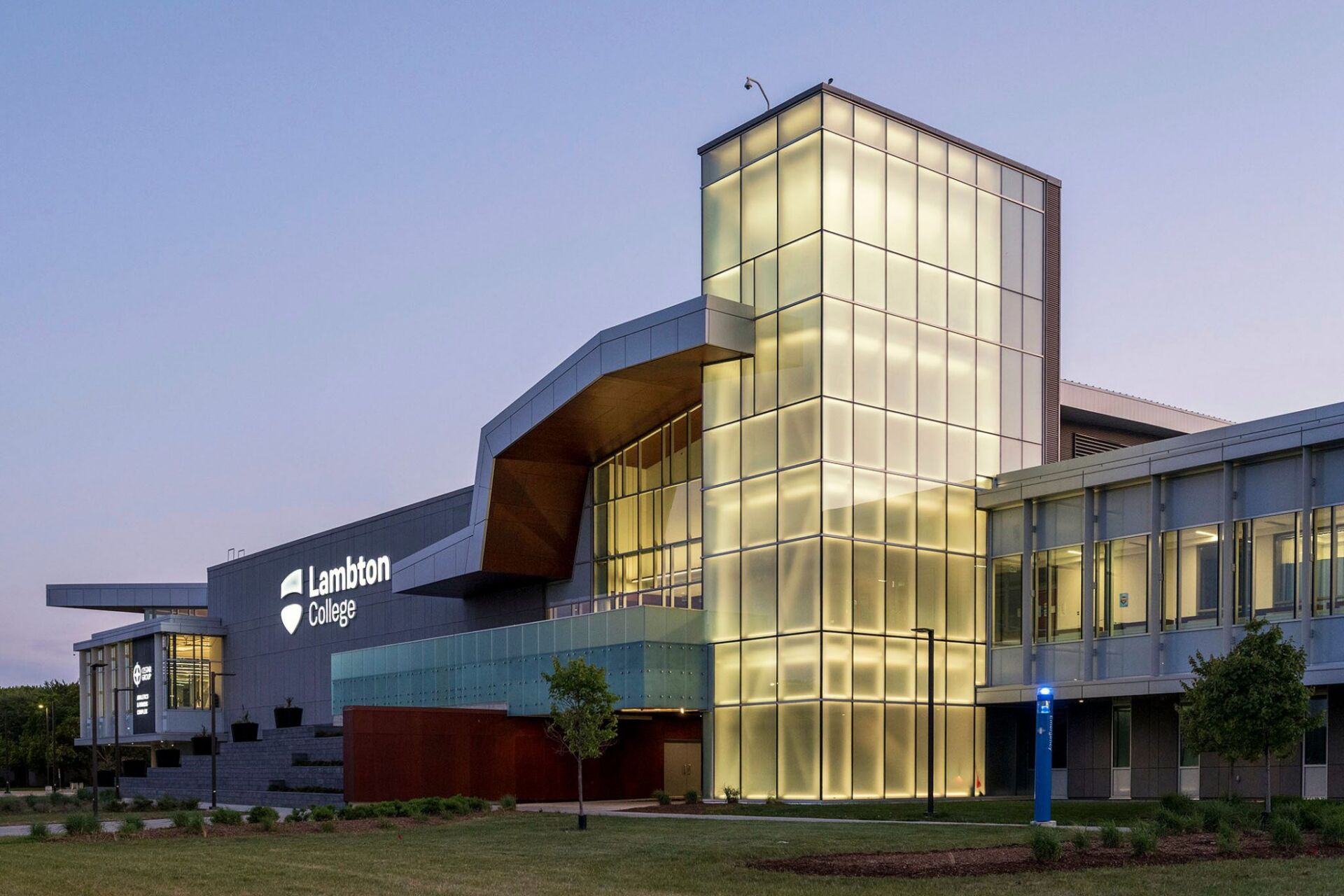
The Independent There will be space for about 300 more students in Lambton College next year. Lambton College is among the post secondary institutions which submitted a proposal for more classroom spots for in demand fields. Friday, the province announced 2,077 new spaces across southern Ontario, including 297 at Lambton College; 160 in Health programs, 90 in the STEM field
Read More
Front Page
Worker injured after falling through Sombra greenhouse roof
October 14, 2026
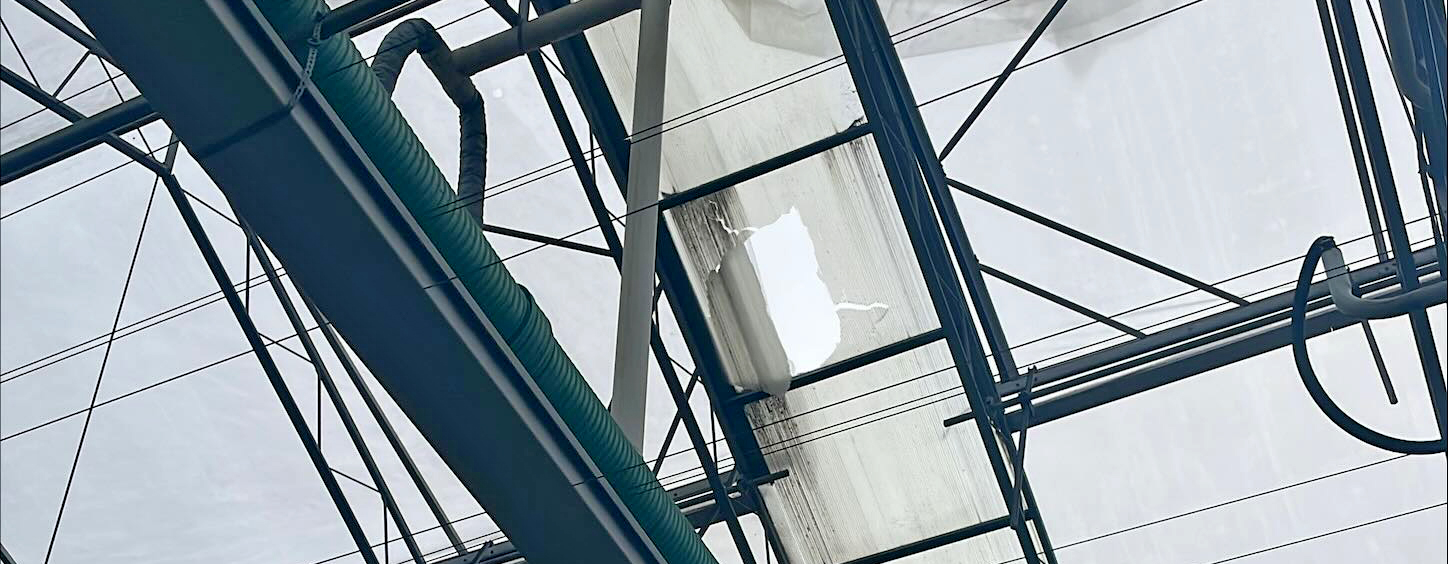
OPP, Ministry of Labour investigating The Independent A worker at a Sombra greenhouse was taken to hospital by air ambulance Wednesday morning after crashing through the roof. St. Clair Township fire officials say the department was called to the Envirofresh Produce greenhouses near CF Industries on the St. Clair Parkway just after 9 am. Chief Richard Boyes says a man
Read More
Front Page
Paving on rebuilt Grand Bend Bridge continues Thursday
October 14, 2026
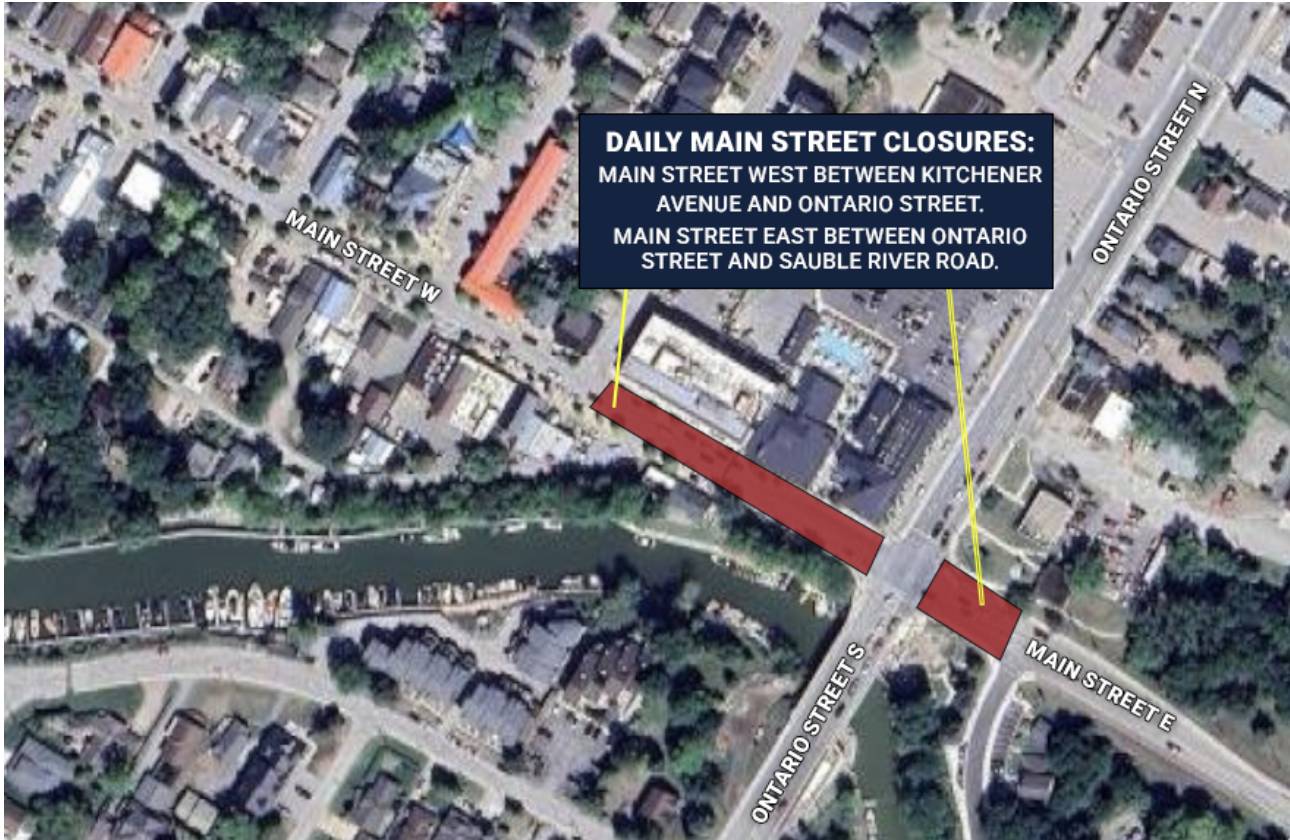
The Independent Drivers heading to Grand Bend are going to face some traffic slowdowns starting Thursday. The project to widen the bridge has been going on for two years, with work taking place before and after the busy summer tourist season. So far, officials say the concrete work, bridge retaining walls, waterproofing the east half of the new deck and
Read More