Trustee candidate calls for the return of ‘true’ history

Farmers feel railroaded by new crossings regulations
September 14, 2020
Max Martin/ Local Journalism Initiative
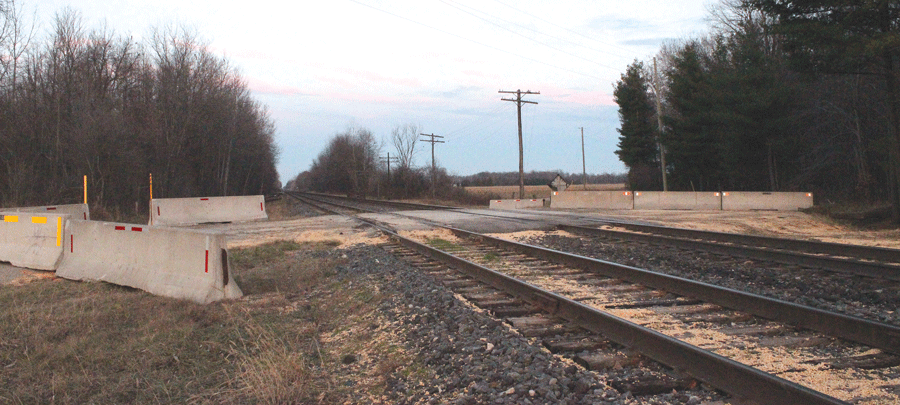
Rural property owners could be left bearing the brunt of the costs to upgrade railway crossings on their land to meet new regulations, despite the tracks being owned by independent companies, some farmers say.
Impending changes to Transport Canada’s Grade Crossing Regulations are drawing concern from rural residents, who might be forced to pay part of the expenses associated with upgrading the railway crossings that fall between their land.
“I’m concerned about the potential cost to landowners to access their property,” said Chris Van Loon, a farmer near Watford. “In my opinion, it should be at the cost of the rail company to provide us with safe access to our property.”
Under the updated regulations, which are designed to improve safety, all private and public grade crossings must meet the new standards by Nov. 28, 2021.
There are two railway crossings on Van Loon’s 14 acres of farmland, separating his corn, bean and wheat fields.
“I have to deal with a lot of government regulations that are put in place on my farm, and I have nobody to share the cost with,” he said. “These companies are privately held, and if a government mandates new safety regulations for them, (the cost) should come out of the people using the rail.”
Railway lines that run through private properties are generally owned by private rail companies, with the land on either side often owned by a farmer.
Grade crossings are installed to allow the farmer access to their land on either side of the tracks.
“Farmers are already made to pay to access their land,” Van Loon said. “If they want a new crossing, it’s all paid for by the landowner.”
Landowners enter into agreements with railway companies, which outline things like maintenance and safety precautions, along with cost-sharing. Both parties may choose to file agreements with the Canadian Transportation Agency (CTA), an independent tribunal and regulator.
Transport Canada said who pays for the new upgrades will be determined by these agreements, with the cost likely shared between the railway and landowner.
But a spokesperson for the CTA said there are many private rail crossings in Canada without written agreements.
“If the property owner and railway company cannot agree on the division of costs, the Canadian Transportation Agency can authorize crossings and determine who is responsible for paying for them. This can include altering or rebuilding crossings,” the spokesperson said.
Both the CTA and Transport Canada said private railway companies will contact landowners about individual crossing situations.
The federal government provides some funding under the Rail Safety Improvement Program, with up to $6,000 available for private owners.
In the meantime, Van Loon said he’s contacting government officials and working with the Ontario Federation of Agriculture (OFA) in hopes of finding a compromise ahead of next year’s deadline for upgrades.
“Farming is a tough business on a good day, and this has just suddenly come out of the blue,” said Crispin Colvin, director of the OFA. “Nobody disputes the safety aspect … (but) the concern is how much cost is this suddenly going to be.”
There are about 9,000 private and 14,000 public railway crossings in Canada.
Jim Crane, a former roadmaster with 36 years in the railway industry, said there’s “no question” there will be a financial burden to property owners to upgrade the crossings. “It’s not right at all.”
While the new regulations focus on grade crossings, Crane said even landowners who have had tracks ripped up on their property – like on his West Elgin farmland – experience ongoing uncertainty, with unclear regulations as to what landowners can do to access either side.
“It’s a grey area,” he said.
For those facing the looming crossing upgrades ahead of next year’s deadline, Colvin said many unknowns remain, like when the work will be done and how much they will be billed.
“It would be nice if there were more discussion between groups like the OFA, the rail lines and Transport Canada to see how we can make this work for everyone safely and cost-effectively,” Colvin said.
Source: London Free Press
NEXT
Ford warns of more shutdown as Ontario registers 313 new COVID-19 cases Monday
PREVIOUS
Four impaired driving charges laid in September in Lambton

Front Page
Trustee candidate calls for the return of ‘true’ history
October 14, 2026
Audience member calls the messaging ‘quite alarming’ Heather Wright/The Independent A candidate for the Lambton-Kent public school board says she will “stand strong against the progressive heists of the Canadian education system” including returning to the “history we all grew up with” so students can be proud to be Canadian. Cynthia Workman’s words raised some eyebrows at the Brooke-Alvinston All-Candidates
Read More

Front Page
Lambton College to open more seats in health, STEM, trades
October 14, 2026
The Independent There will be space for about 300 more students in Lambton College next year. Lambton College is among the post secondary institutions which submitted a proposal for more classroom spots for in demand fields. Friday, the province announced 2,077 new spaces across southern Ontario, including 297 at Lambton College; 160 in Health programs, 90 in the STEM field
Read More
Front Page
Worker injured after falling through Sombra greenhouse roof
October 14, 2026
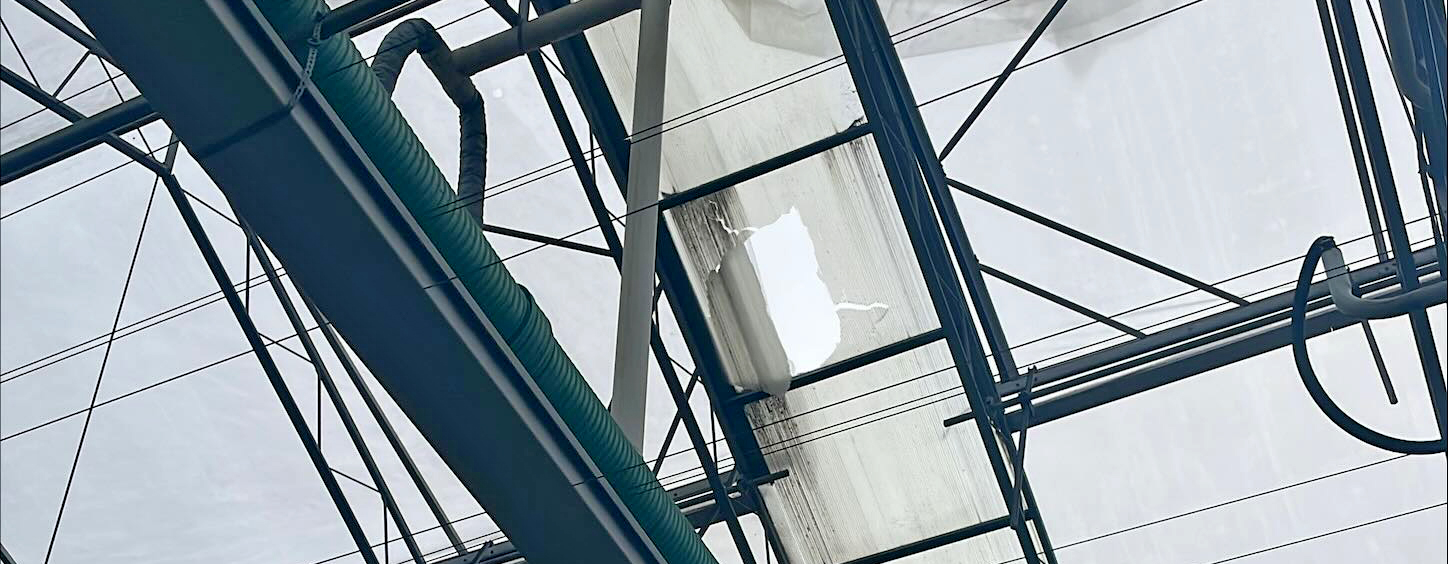
OPP, Ministry of Labour investigating The Independent A worker at a Sombra greenhouse was taken to hospital by air ambulance Wednesday morning after crashing through the roof. St. Clair Township fire officials say the department was called to the Envirofresh Produce greenhouses near CF Industries on the St. Clair Parkway just after 9 am. Chief Richard Boyes says a man
Read More
Front Page
Paving on rebuilt Grand Bend Bridge continues Thursday
October 14, 2026
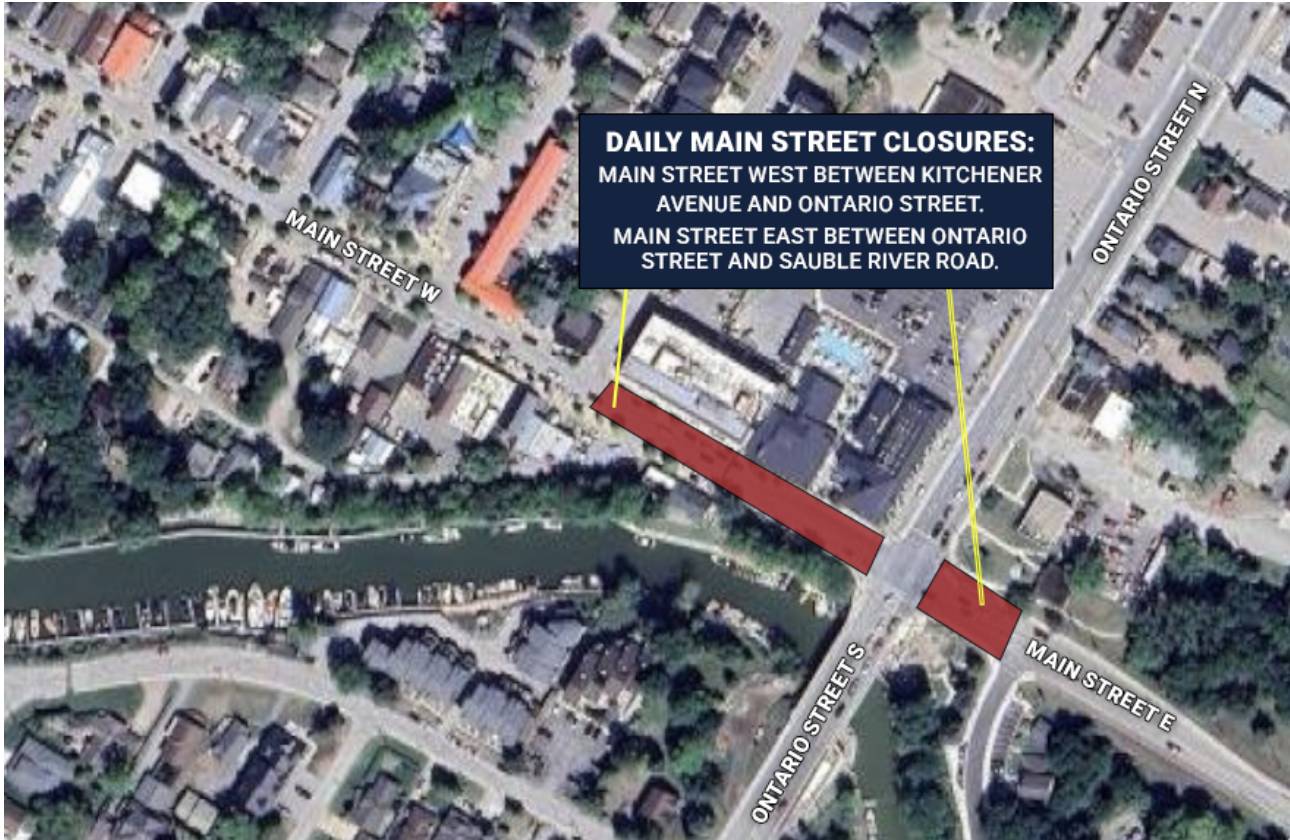
The Independent Drivers heading to Grand Bend are going to face some traffic slowdowns starting Thursday. The project to widen the bridge has been going on for two years, with work taking place before and after the busy summer tourist season. So far, officials say the concrete work, bridge retaining walls, waterproofing the east half of the new deck and
Read More