Middlesex man facing seven charges after Wyoming crash

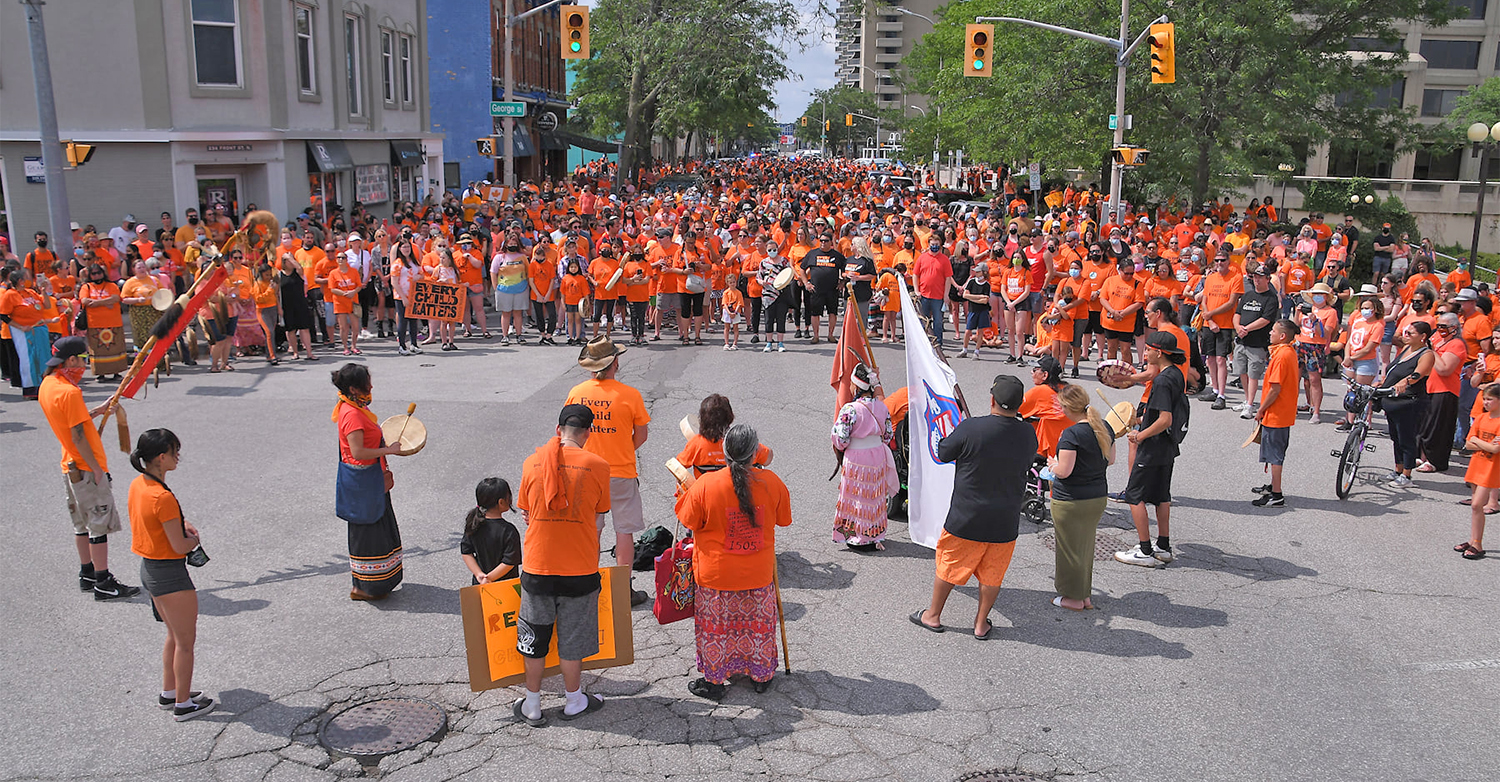
Indigenous educator says reconciliation is never-ending process
January 22, 2022
Sam Laskaris/Local Journalism Initiative
Dr. Tracy Bear believes the process of raising awareness and advancing reconciliation has no end.
“I think educating oneself is only half the work,” said Bear, the director of the McMaster Indigenous Research Institute in Hamilton, Ont. “It’s a lifelong process. Even from some of my oldest teachers, my Knowledge Keepers and my Elders, they’ll be sitting there at 98 years old saying ‘My girl, I don’t know anything.’ They come with a lot of humility and they understand this is a lifelong process. So why shouldn’t it be for anyone else.”
Bear was one of three panelists on a webcast titled “The Power of Education in Advancing Reconciliation.” It was broadcast on Wednesday, Jan. 19. The event was hosted by The Empire Club of Canada based in Toronto.
The other panelists were Cadmus Delorme, chief of the Cowessess First Nation in southeastern Saskatchewan, and Kory Wilson, executive director of Indigenous Initiatives and Partnerships at the British Columbia Institute of Technology. Stacey Laforme, chief of the Mississaugas of the New Credit First Nation, was the event moderator.
“In order to really truly get to truth and reconciliation, we have to first accept and understand the truth,” said Delorme, who is in his seventh year as chief of his First Nation. “You cannot move to reconciliation until you first accept and acknowledge the truth.”
Delorme’s First Nation was thrust into the national spotlight this past June when it was announced that 751 unmarked graves had been located at a cemetery near a residential school that operated in Cowessess.
Delorme was raised by residential school survivors.
“Even though I am Indigenous that doesn’t mean I know all the truths that happened to my people,” he said. “My parents never really talked about residential school because they didn’t want to really put that, if I can say it more openly, that biased and negative opinion they had on living and to make sure that I was a pure mind, if I can say it like that. They protected me.
“So, we’ve got to understand when we’re working with Indigenous people, that we just can’t assume in this country that we all know our history and the truth and the pain. We’re still figuring it out ourselves.”
Like Bear, Wilson said gaining knowledge is a never-ending process.
“Indigenization or reconciliation in post-secondary institutions and K to 12 is not simply about adding Indigenous content to the curriculum or hiring an Indigenous person,” she said. “It is about how do we make true and systemic lasting change in these institutions that, of course, came from Eurocentric views and values, and recognize that truth and reconciliation is not only the work of governments and communities but it is the work of all of us as people, as citizens of Canada, as members of various communities that we occupy.”
Wilson said difficult talks must be had to move towards reconciliation.
“We have to have bold and courageous conversations in every room in this country, whether that’s the board room, that’s the Empire Club, whether it’s while you are sitting watching your child at hockey practice,” she said. “We have to have bold and courageous conversations and we must talk about the elephants in the room and talk about the ways we can make the systemic change.”
Wilson said every person has a role to play in this.
“One of the actions is that every single one of us has to examine the conscious bias and bias in our own privilege,” she said. “Deep self-reflection is required to advance truth and reconciliation.”
Bear expects there will be painful learning lessons.
“You need to be uncomfortable because that’s where the real learning happens,” she said. “It’s been uncomfortable for us for many, many years and it’s going to be awkward and you’re going to squirm a little bit. But these are hard truths that need to be faced.
“Indigenous people live in these contemporary realities based on consequences of these histories. So, it’s really absolutely integral that we learn these together.”
Delorme also said in order to advance towards truth and reconciliation, past truths must be accepted and understood.
“We truly inherited such a unique history in this country,” he said. “Canada is a developed country, a G7 country. On the human index we’re sixth or seventh in the world to live. Within Canada though we have our challenges when it comes to the relationship between Indigenous people and Canada. There is no Indigenous person in this country that doesn’t want to be a part of the growth and the development.”
Source – Windspeaker.com

NEXT
Health care survey shows continued concern for hospital wait times and backlogs for medical treatments
PREVIOUS
More than smoke setting off alarms: Boyes

Front Page
Middlesex man facing seven charges after Wyoming crash
October 22, 2026
The Independent An accident in Wyoming led to multiple charges including uttering death threats. Oct. 21, just before 6 pm, the OPP was called to a home on Brooke St. near London St. for a disturbance. There was a single car accident and police conducted a traffic stop. A 41-year-old man from Middlesex County was arrested and charged with He
Read More
Front Page
Water restrictions lifted in Lambton
October 22, 2026
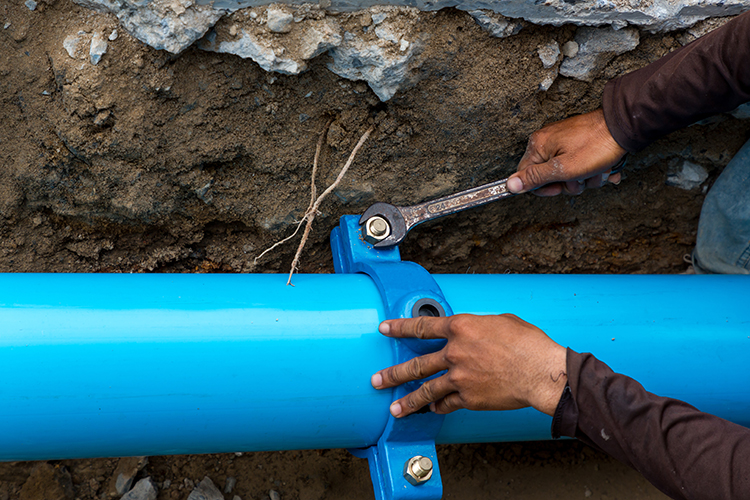
The Independent People in Plympton-Wyoming, Warwick, Brooke-Alvinston and Forest can resume normal water use. Yesterday, the Lambton Area Water Supply System asked people to conserve water while workers repaired a major problem on London Line. Clinton Harper, LAWSS general manager, said crews were working on a waterline on London Line near Mandaumin when there was a problem. He says the
Read More
Front Page
Chicago man on his way back to US charged with impaired driving
October 22, 2026
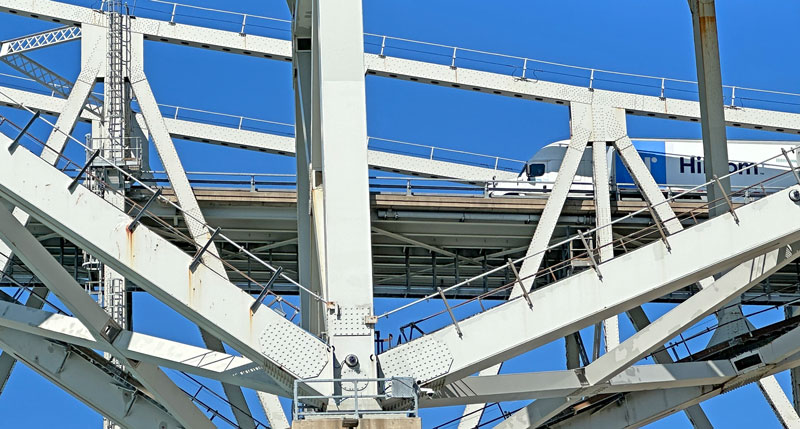
The Independent A Chicago man’s travels were delayed after Canada Border Services stopped someone they thought was impaired. Oct. 19, just before 8 am, Lambton OPP went to the Blue Water Bridge. They arrested a 48-year-old Chicago man and charged him with impaired driving. The man was given a 90-day driver’s licence suspension and his vehicle was impounded for seven
Read More
Front Page
McGregor scores as Team Canada advances to semis
October 22, 2026
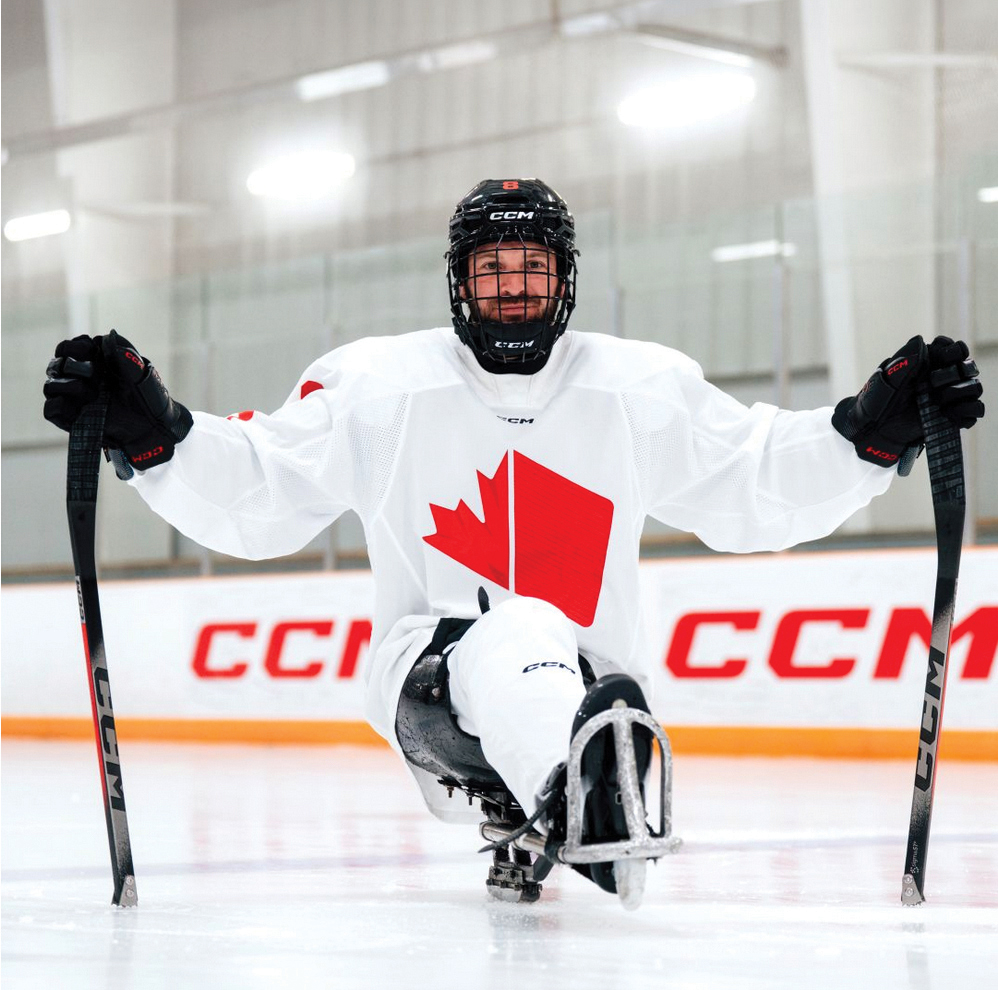
The Independent Forest’s Tyler McGregor notched a second period goal in Team Canada’s 7-0 win over the host team at the International Para Hockey Cup in Czechia on Wednesday. McGregor has four goals and an assist in three games at the tournament. Canada will play Czechia in a rematch in semifinal action on Friday. The U.S. takes on the World
Read More