Trustee candidate calls for the return of ‘true’ history

LCDS PHOTO
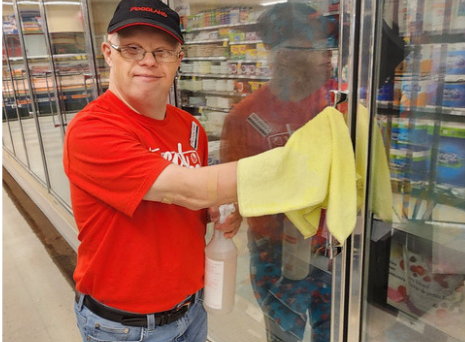
Andy Cousins is supported by Lambton County Developmental Services. He has a job at Watford Foodland.
Some people with developmental disabilities ‘wait their entire lives’ to get help say advocates
January 9, 2025
Wait list for service over 52,000 people
Heather Wright/The Independent
One in three people with developmental disabilities in Ontario can’t get any help. Some will die before they receive services because the waiting lists for services are so long.
That’s from Ontario Agencies Supporting Individuals with Special Needs, Community Living Ontario and local service providers. They’re sounding the alarm bells about a system of care that needs a complete overhaul.
Provincially, 52,000 people are waiting for services; 38,000 receive some support through a complex system which provides supported housing, help to live independently and support to be active in the communities they live in.
“Our wait list is actually more than the people we’re actually supporting,” says Nick Salaris, the executive director of Lambton County Developmental Services.
Corry Thomas, executive director of Community Living Sarnia-Lambton says in Lambton County alone there are 226 developmentally delayed people waiting for residential care, another 290 people waiting for support to live independently and 256 waiting for help to be active in the community. Community Living currently helps about 450 people.
“I can tell you that some people will be on the wait list or registry for their entire life and never get any help,” says Thomas. The wait for help can be anywhere from five to 10 years.
Thomas says people often get help if there is a family crisis.
“Somebody living with their mother, and their mother is elderly, she’s going to the hospital. She’s probably going to be going into long term care; now there’s a panic.”
“What’s going to happen to her daughter, who’s in her late 40s but can’t care for herself? She gets bumped to the top of the registry or the wait list – everybody runs around trying to figure out what to do, and then everybody else gets bumped down.”
Thomas says the huge gaps in the system means family members leave jobs to become full-time care givers to adult children.
“Or they just struggle on through…They’re often scared to speak up because they’re worried…they may lose that little bit of funding that they have.”
That doesn’t always work, Thomas says, and people fall through the cracks in the system.
“Particularly some of the younger folks… if they don’t end up in care, they can either end up in the hospital and can end up in prison. They can end up being homeless.”
Salaris sees the same thing. “Families are starting to struggle. The services just aren’t there as they were in the past.
“Some families are scaling back how much they work, because they actually have to spend time with their with their adult loved ones to ensure they’re supported properly.”
There are multiple problems in the disability support system. The agencies supporting developmentally delayed adults have received a seven per cent increase in funding since 1993. The cost of living has gone up 60 per cent in the same time frame. Last year, the province increased funding the agencies by five per cent, enough to keep the lights on.
That, along with rising labour costs, means less services locally, Thomas says. “We are we are having to say no. We’ve had to streamline our services. We’ve had to reduce some of the social recreational work we were doing in order to keep a balanced budget,” she says. That means more people on the wait list.
There are fewer qualified workers available in Lambton since Lambton College stopped offering the Developmental Service Worker program, Salaris says. “We were up to about 330 employees (before the pandemic), and right now we’re probably at around, I would say maybe in between 200 to 230.” That also impacts the service which can be provided.
The trained workers that are available often go to the health or education sectors where they are paid more, Salaris added.
“If people have a choice to go work in a sector, they typically would go to a sector that, quite frankly, compensates a bit more.”
The province did take a stab at improving the system in 2018, offering all people with development delays $5,500 to purchase their own support devices – the minimum amount the Ministry of Community and Social Services allots per person. The ministry can provide up to $45,000.
The province’s Financial Accountability Office says of the 65,000 people receiving funding, almost half receive only the minimum amount.
All this leads to frustration for families trying to do what’s best for their adult children, says Salaris.
“It can be onerous and frustrating. It does take time,” he says. “If there’s over 50,000 on the wait list, that number will not go down, like that number will exponentially increase.
“I think we’re beyond the point of just trying to throw money at a problem, that there has to be sort of systemic change in how we operate and how we operate with our funders at the Ministry and the provincial level.”
Salaris says there are some things the province could do to help immediately including “significant increases” in the base funding for the agencies providing service.
“And I do think that incentives for DSW students (are needed) trying to draw people to this sector so organizations have a rich and skilled talent pool to provide people. I think if we could attract more people to this sector, that would go a long way to helping solve the problem.”
The president of Community Living Ontario says it is high time the province act since the services are not luxuries, but lifelines that assist people in their daily activities
“It should not be at the whim of any government to determine who gets, who doesn’t, and when,” says Chris Beesley. “The province’s books should not be balanced on the backs of its most vulnerable citizens. While we are grateful the government provided a modest increase in the last budget, it doesn’t even begin to address the seriousness of our current situation. We must do better.”.

Front Page
Trustee candidate calls for the return of ‘true’ history
October 14, 2026
Audience member calls the messaging ‘quite alarming’ Heather Wright/The Independent A candidate for the Lambton-Kent public school board says she will “stand strong against the progressive heists of the Canadian education system” including returning to the “history we all grew up with” so students can be proud to be Canadian. Cynthia Workman’s words raised some eyebrows at the Brooke-Alvinston All-Candidates
Read More
Front Page
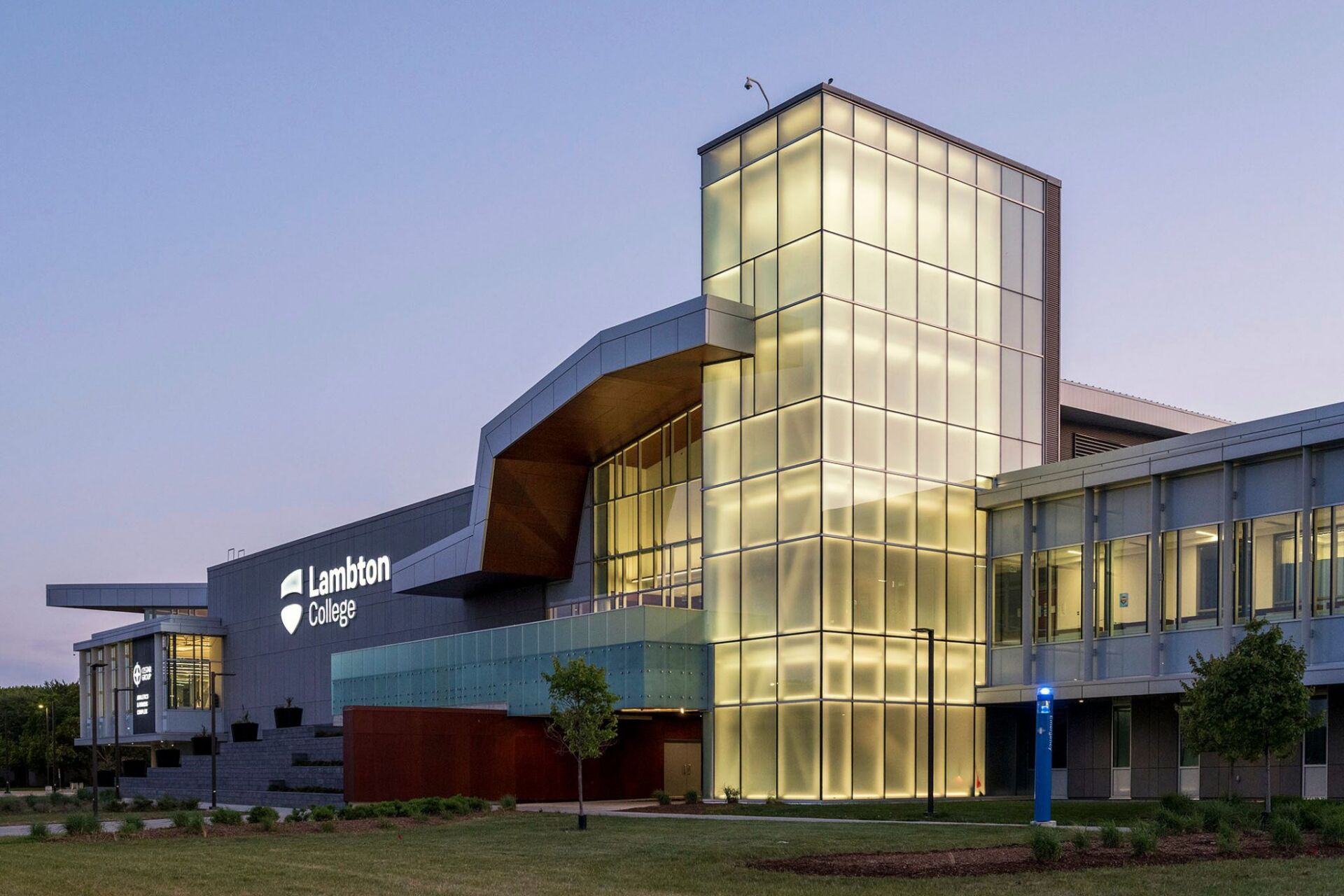
Lambton College to open more seats in health, STEM, trades
October 14, 2026
The Independent There will be space for about 300 more students in Lambton College next year. Lambton College is among the post secondary institutions which submitted a proposal for more classroom spots for in demand fields. Friday, the province announced 2,077 new spaces across southern Ontario, including 297 at Lambton College; 160 in Health programs, 90 in the STEM field
Read More

Front Page
Worker injured after falling through Sombra greenhouse roof
October 14, 2026
OPP, Ministry of Labour investigating The Independent A worker at a Sombra greenhouse was taken to hospital by air ambulance Wednesday morning after crashing through the roof. St. Clair Township fire officials say the department was called to the Envirofresh Produce greenhouses near CF Industries on the St. Clair Parkway just after 9 am. Chief Richard Boyes says a man
Read More
Front Page
Paving on rebuilt Grand Bend Bridge continues Thursday
October 14, 2026
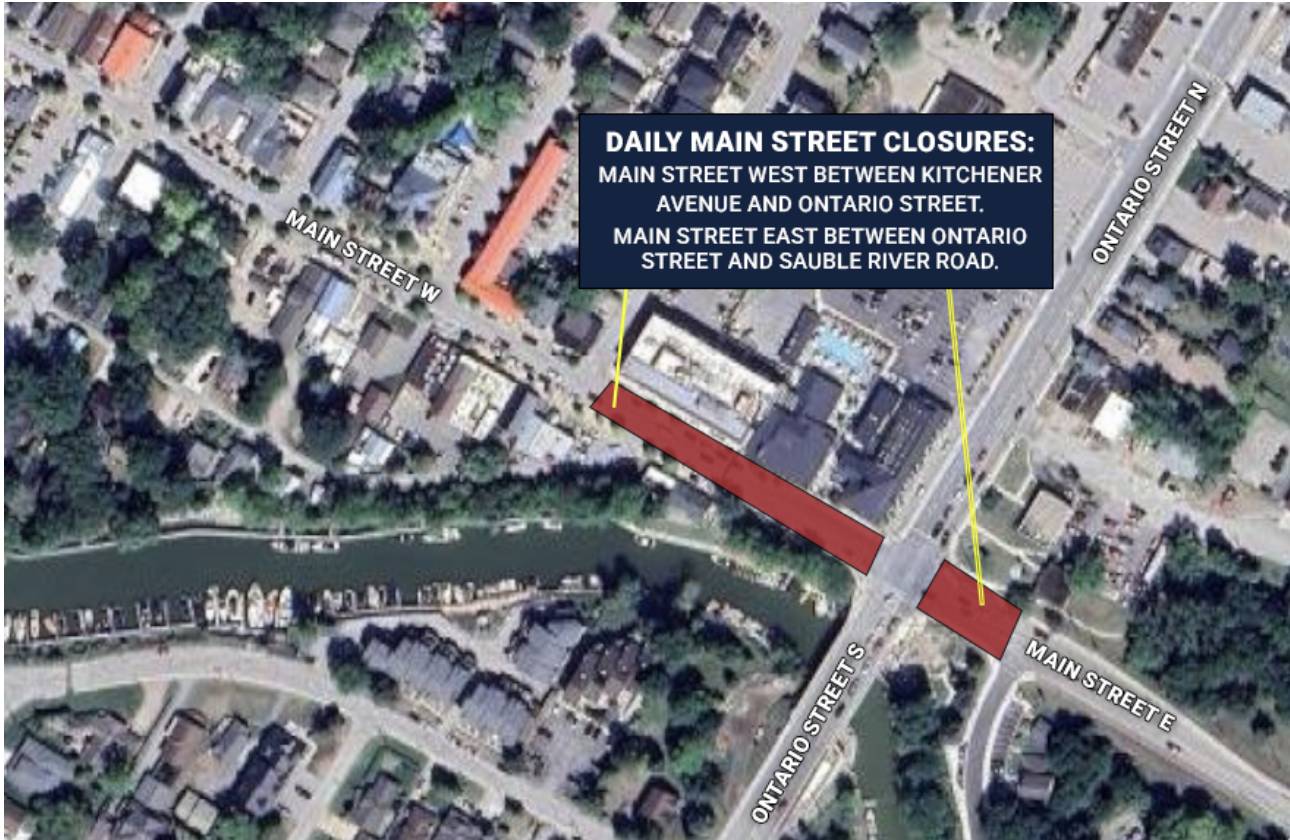
The Independent Drivers heading to Grand Bend are going to face some traffic slowdowns starting Thursday. The project to widen the bridge has been going on for two years, with work taking place before and after the busy summer tourist season. So far, officials say the concrete work, bridge retaining walls, waterproofing the east half of the new deck and
Read More