Sarnia all-candidates debate a revealing evening

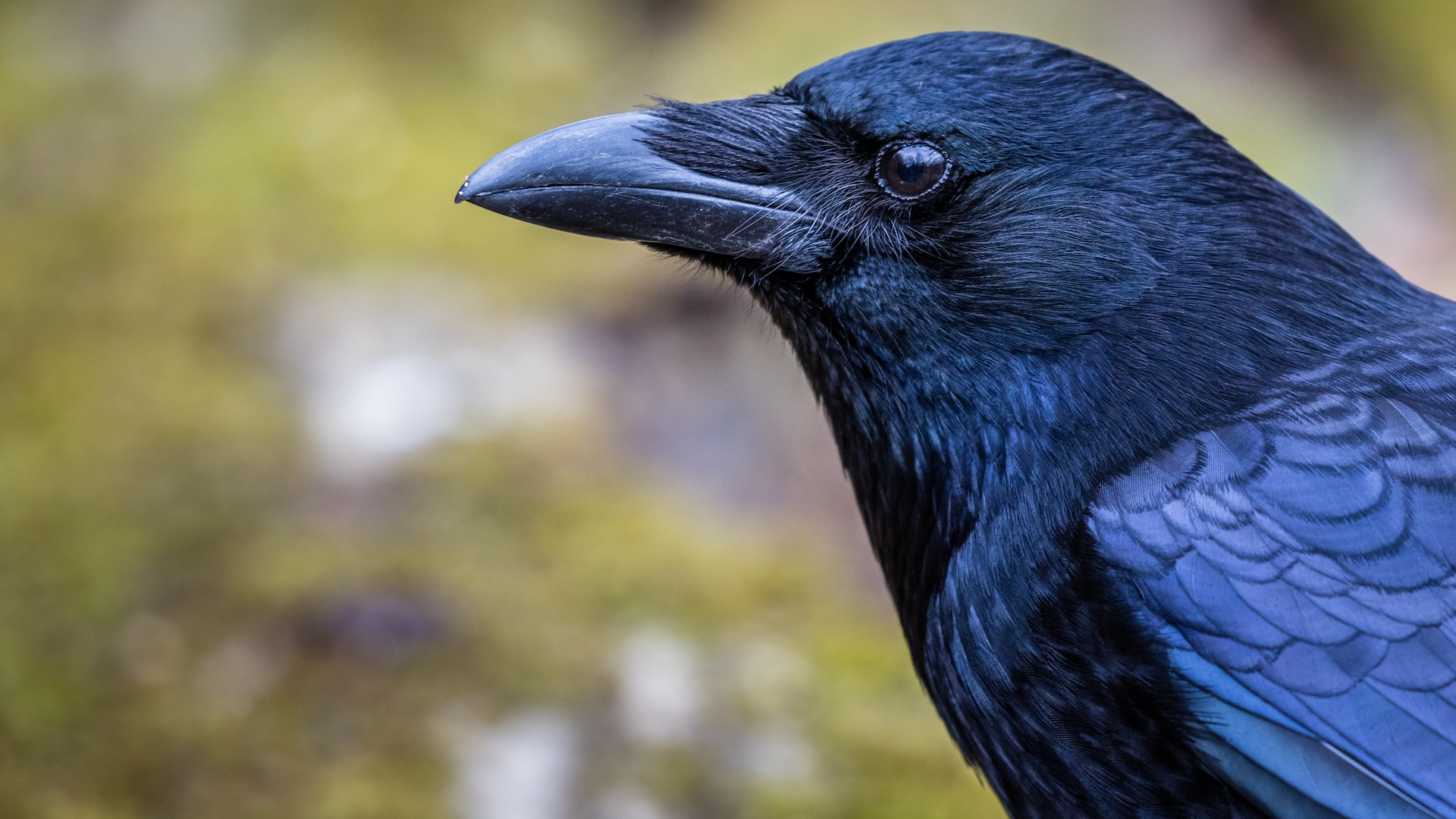
Enniskillen councillor worried about C-K crow invasion
January 19, 2026
Blake Ellis/The Independent
Enniskillen Township Councillor Tim Williams is worried Chatham-Kent’s crow problem is migrating into Lambton and that it could increase the spread Avian Flu.
“The crows are getting really bad in Enniskillen now,” said Williams at the Jan. 12 Enniskillen Township meeting. He was citing a concern with avian flu, saying the crows likely migrated from the Chatham-Kent area.
On Dec. 24, the Canadian Wildlife Health Cooperative confirmed preliminary tests on six crow specimens were positive for avian flu influenza. The majority of the dead birds were found in a winter roosting area along the Thames River, particularly near Grand Avenue West and the Village on the Thames Retirement Home.
The crows are known to roost in massive numbers in Chatham to stay warm and safe from predators. Every morning at sunrise, they are known to fan out up to 30 to 50 kilometres into the surrounding countryside to forage. Enniskillen Township is well within the typical daily flight range of the Chatham roost.
As the fields in Chatham-Kent are picked over or covered in snow, the birds will push further into Lambton County to find food.
Signs of the current strain of avian flu include any crow that appears disoriented, unable to fly or have cloudy eyes. If people find dead crows on their property, do not touch them with bare hands and keep pets on a leash, as the virus can be transmitted to dogs and cats. If you must dispose of a bird on private property, wear rubber gloves and a mask and double bag the carcass.
Chatham-Kent Public Health has indicated the risk to the general public is very low. There is a moderate risk to pets. Cats and dogs should be kept away from dead birds or areas with heavy bird droppings. Hawks, eagles and owls are at high risk if they feed on the infected crows.
Avian Flu has led to the destruction of over 1.3 million birds in the poultry industry. There are currently nine commercial operations dealing with Avian Flu in Ontario. Since 2021, 62 operations have had to euthanize 1,343,000 birds to stop the virus’ spread.
Across Canada, over 17.2 million birds have been destroyed after being infected.
While humans are at a lower risk, here is still concern Avian Flu can jump to humans causing sickness.
Enniskillen Township Deputy Mayor Judy Krall participated in a webinar before Christmas with the Ontario Anglers and Hunters about avian flu.
The presenter, she told council, talked about the impacts of a dog retrieving a dead mallard duck during hunting and the possibility of increasing the spread of the Avian Flu if there are commercial poultry operations nearby.
Krall learned the virus stays alive inside that mallard duck carcass.
The presentation led Krall to speak to Environment Climate Change Canada and there is a lot of research being conducted now on avian flu.
The organization is doing some testing on hunters who have volunteered to have nasal swabs conducted to see if they are carrying the virus with them.

Front Page
Sarnia all-candidates debate a revealing evening
October 21, 2026
Cathy Dobson/The Independent With less than a week until election day, 28 candidates vying for eight council seats, spent four hours Tuesday trying to stand out as the right choice for Sarnia voters. They gathered at The Imperial Theatre in front of an audience of 200, with another 500 streaming the marathon event online. Compared to Monday night’s mayoral debate,
Read More
Front Page
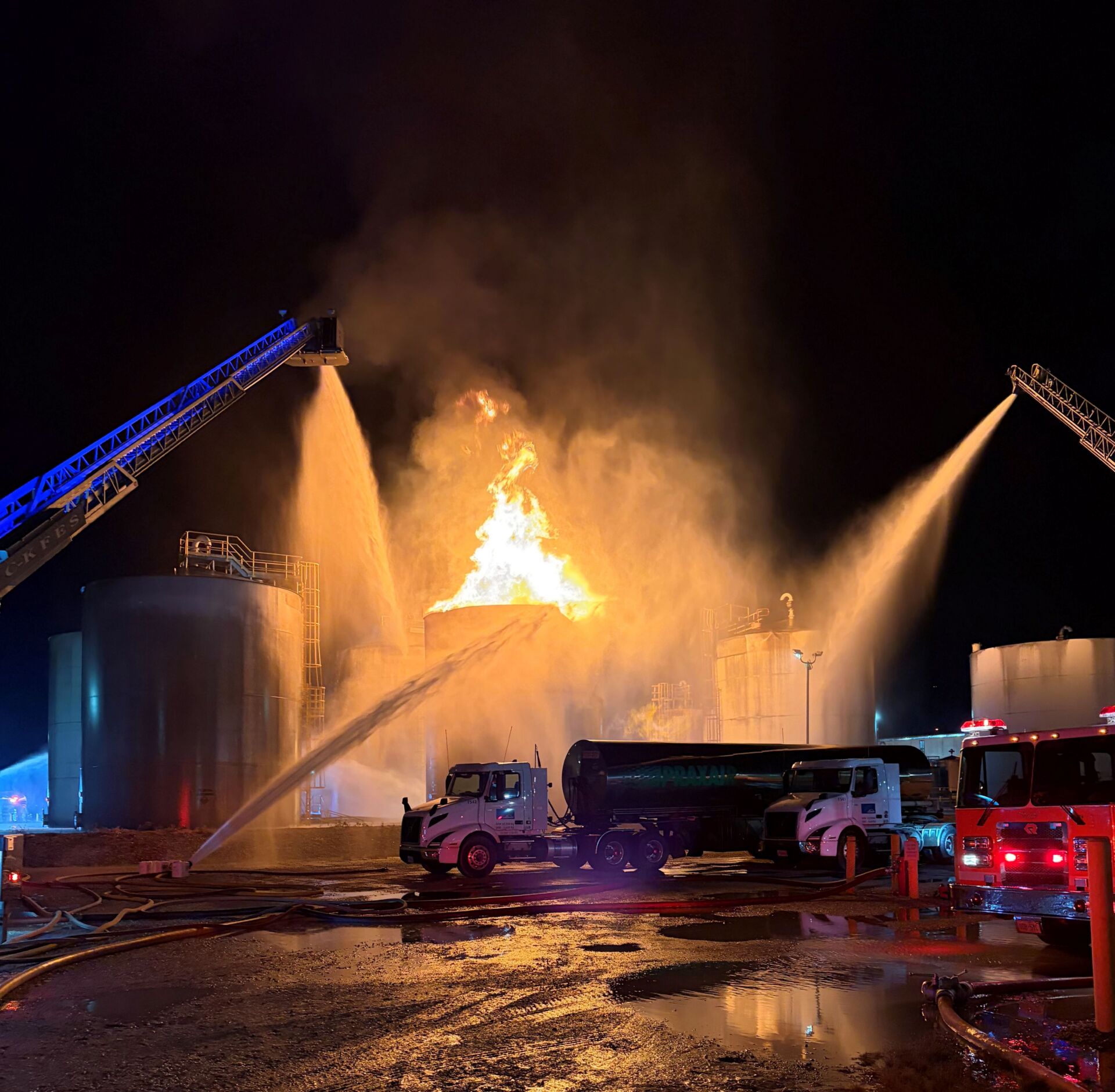
St. Clair will be reimbursed for help at Chatham ethanol plant fire
October 21, 2026
Heather Wright/The Independent St. Clair Township Councillor Brad Langstaff wants to know what it cost for the fire department to help fight an ethanol plant fire in Chatham. Sept. 16, 15 firefighters, the township’s two tower trucks and its drone headed to Chatham to help battle a massive fire at Greenfield Global. St. Clair was called on because it has
Read More

Front Page
Enniskillen rejects request for ATVs on township roads
October 21, 2026
Blake Ellis/The Independent ATVs won’t be allowed on Enniskillen roads. A request by Enniskillen Resident Mark Braet failed to sway Enniskillen Township Council to allow all terrain vehicles on township roads. Braet made a presentation to council on Oct. 8 along with representatives from the Tri-Shore ATV Club. Braet wanted to be allowed to drive ATVs on roads in the
Read More
Front Page
LAMBTON VOTES: Petrolia Candidate Surveys
October 21, 2026
The Independent sent a questionnaire to each candidate for Petrolia Council. Below are the unedited responses from the candidates: Work Experience: Policy Advisor, Sarnia-Lambton Chamber of Commerce; former Constituency Assistant to MPPs Bob Bailey and Billy Pang; former parliamentary intern with MPs Marilyn Gladu and Jake Stewart; former Town of Petrolia Parks & Recreation Summer Labourer; former Dietary Aide at
Read More