Trustee candidate calls for the return of ‘true’ history


File Photo
Voters concerned about political divide, disinformation
June 29, 2026
Blake Ellis/The Independent
A new survey of Sarnia-Lambton voters shows they’re worried about the growing political divide in municipal politics and that disinformation is a barrier to casting a ballot.
With the municipal and school board elections set for October, a local group wanted to figure out the barriers to voting and increase voter participation with Sarnia-Lambton.
Healthy Democracy is trying to tackle the big question of how to strengthen democracy by increasing voter engagement and fostering respectful dialogue.
Healthy Democracy Member Katie Garrett presented some local statistics to the group including voter turnout, comparing data from the 2018 municipal election to the 2022 municipal election.
During that time, Sarnia’s voter turnout has dropped from 47.43 percent to 40.41 percent, St. Clair Township’s turnout has dropped from 47.97 percent to 39.34 percent, Lambton Shores has dropped from 45.72 percent to 39.42 percent, Petrolia has fell from 53.46 percent to 44.97 percent, Brooke-Alvinston has dropped from 59.81 percent to 53.14 percent and Point Edward has dropped from 53.31 percent to 42.87 percent.
Only two municipalities saw their voter turnout increase in those two elections with Plympton-Wyoming rising slightly from 42.25 percent to 42.71 percent and Warwick Township rising from 46.76 percent to 51.77 percent.
Those rates are still far higher than the average across the province which pegs voter turn out at 33 per cent on average.
Healthy Democracy surveyed what motivates people to vote. The online survey garnered 291 responses.
Among some of the findings were 97.8 percent of respondents said a healthy democracy in their community matters to them, 92.4 percent voted in the last election and 92.8 percent believe they will likely vote in the 2026 election. The number of people who said their vote mattered was much lower at just 75.6 percent.
Just under 60 per cent of respondents said a sense of civic duty is what motivated them to vote, while 15.1 percent indicated it was a specific candidate and 13.4 per cent said a specific issue compelled them to vote.
Some of the barriers that were identified in the survey were misinformation and disinformation at 68.4 percent, lack of education or awareness about the election at 65.6 percent, feeling that voting won’t make a difference at 44.6 percent, transportation at 31.2 percent and accessibility at 28.4 percent.
About 65 percent of the people surveyed said voters need to be engaged earlier, there needs to be more community outreach, polling options and all-candidates meetings have to be accessible.
Garrett says the survey also showed people are concerned their communities are growing further apart along political and social lines and the spread of false and misleading information is seen as a threat to informed decision making.
The survey shows people believe finding respectful political dialogue is becoming harder to find.
Helen Cole, a local advocate for increased democracy said she was first disappointed with only receiving 291 surveys, but when Vancouver did a similar survey, it only received 600 responses.
In a discussion about what efforts can be used to increasing voter participation, many felt that education was key.
Healthy Democracy Member Bob Sutton suggested a group form a small committee that can undertake fact checking during the election campaign to combat misinformation.
Those participating in the forum are also encouraged to join Healthy Democracy, as the group would be more effective with more members to share the work.
NEXT
Alvinston arena floor to be poured June 29
PREVIOUS
Project highlights French history in Lambton

Front Page
Trustee candidate calls for the return of ‘true’ history
October 14, 2026
Audience member calls the messaging ‘quite alarming’ Heather Wright/The Independent A candidate for the Lambton-Kent public school board says she will “stand strong against the progressive heists of the Canadian education system” including returning to the “history we all grew up with” so students can be proud to be Canadian. Cynthia Workman’s words raised some eyebrows at the Brooke-Alvinston All-Candidates
Read More
Front Page
Lambton College to open more seats in health, STEM, trades
October 14, 2026
The Independent There will be space for about 300 more students in Lambton College next year. Lambton College is among the post secondary institutions which submitted a proposal for more classroom spots for in demand fields. Friday, the province announced 2,077 new spaces across southern Ontario, including 297 at Lambton College; 160 in Health programs, 90 in the STEM field
Read More

Front Page
Worker injured after falling through Sombra greenhouse roof
October 14, 2026
OPP, Ministry of Labour investigating The Independent A worker at a Sombra greenhouse was taken to hospital by air ambulance Wednesday morning after crashing through the roof. St. Clair Township fire officials say the department was called to the Envirofresh Produce greenhouses near CF Industries on the St. Clair Parkway just after 9 am. Chief Richard Boyes says a man
Read More
Front Page
Paving on rebuilt Grand Bend Bridge continues Thursday
October 14, 2026
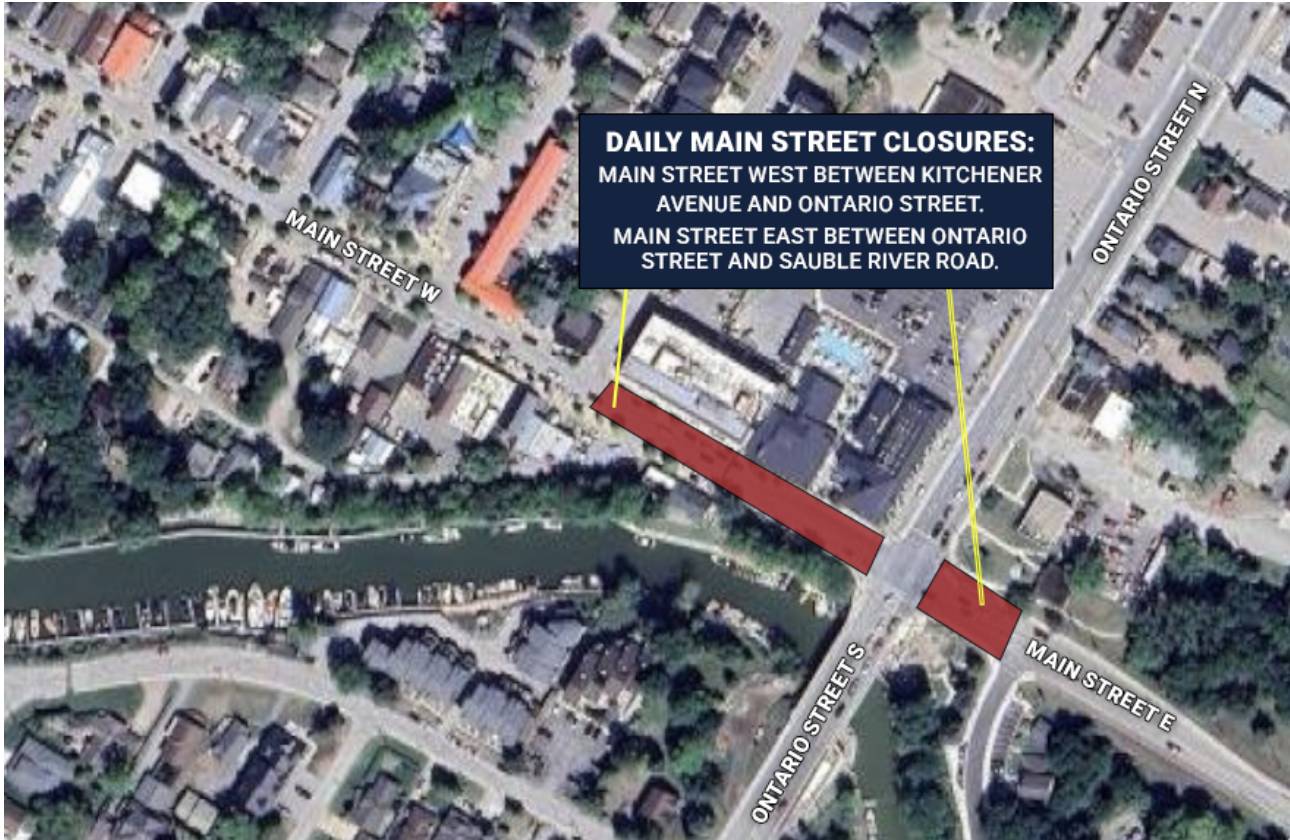
The Independent Drivers heading to Grand Bend are going to face some traffic slowdowns starting Thursday. The project to widen the bridge has been going on for two years, with work taking place before and after the busy summer tourist season. So far, officials say the concrete work, bridge retaining walls, waterproofing the east half of the new deck and
Read More