Plympton-Wyoming mayoral candidate suggests using mayor powers to pick top staff

Rainbow Park’s encampment: could it happen again?
February 9, 2026
Cathy Dobson/The Independent
Sharon Docherty looks at it as a lesson well-learned.

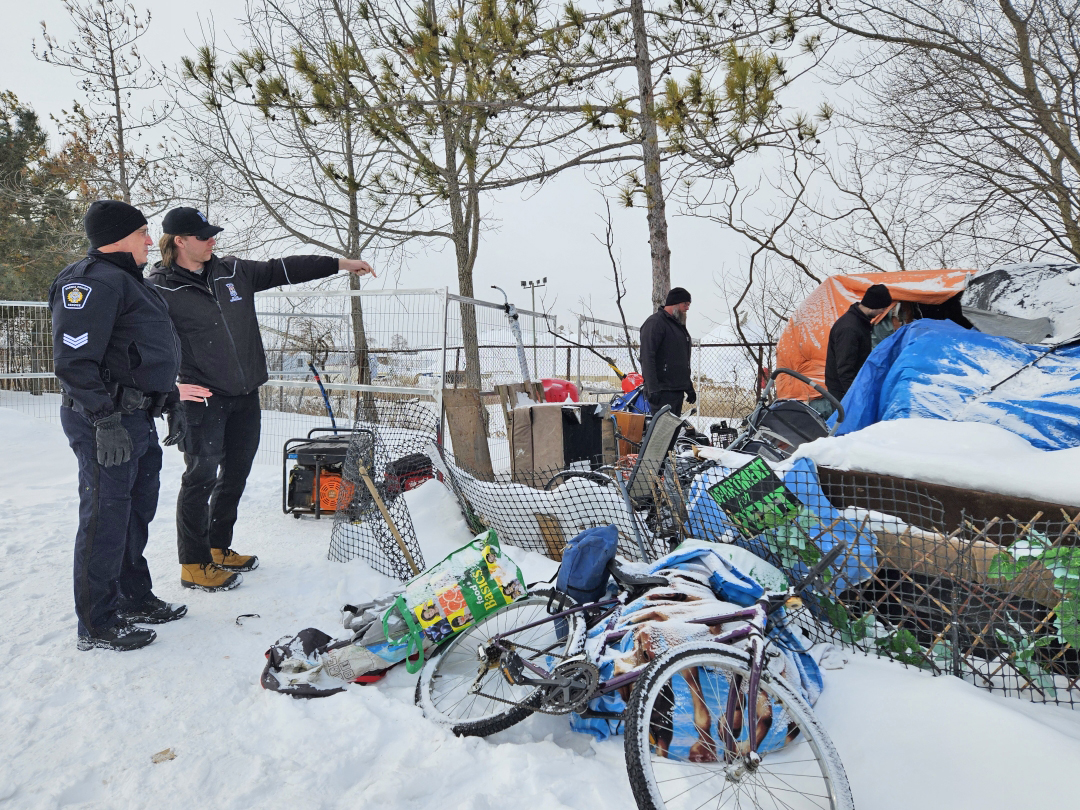
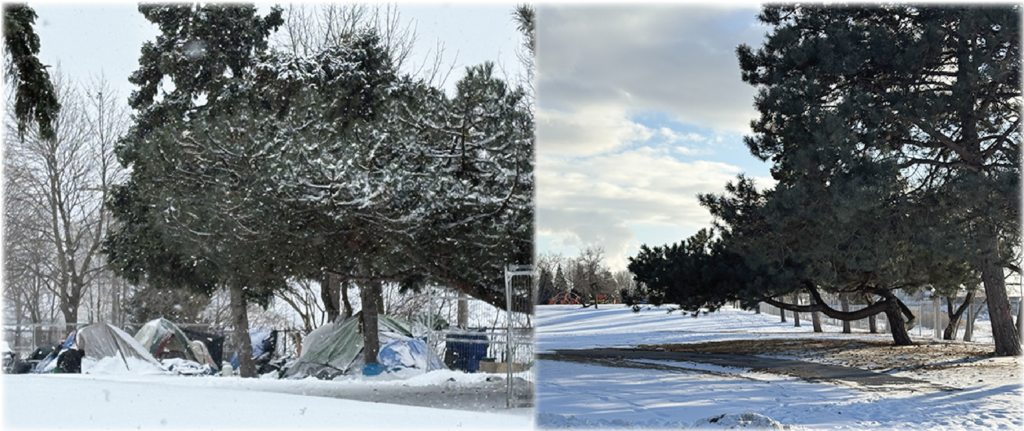
She lives across the street from Rainbow Park and watched as a single tent pitched against the fence in January 2024 was joined by another, then another, until at least 60 tents and tarps transformed her neighbourhood park into a dangerous homeless encampment.
“Early on, we did nothing,” she says. “We felt bad for them. We saw that it was addicts just trying to survive. The problem was the drug dealers that turned the park into a gang mentality.
“I’m telling you, we won’t let it happen again.”
As Rainbow Park’s homeless population grew throughout 2024, drug users became a problem in the nearby streets.
Kim Gawdunyk and his wife live a few doors away from the park and became alarmed that their children were exposed to drug paraphernalia on their lawn and people dropping their pants or screaming in front of their house.
“It felt like the rest of the city didn’t care as long as (the homeless) weren’t in their neighbourhoods,” said Gawdunyk.

“Our neighbourhood fought for our safety, for everything that was eventually done…we fought hard,” said Docherty. “For the security, the fencing around the playground, the lights.”
In July, about 60 residents held a protest march to city hall, carrying placards and demanding the return of a safe neighbourhood. By that time, first responders regularly answered calls to deal with overdoses, violence, theft and fires at Rainbow Park.
If any good came from the ordeal, it was that it brought the neighbours together, said Docherty.
In February 2025, a combination of cold weather, the efforts of social services and new city protocols emptied the park.
Since then, Docherty said she has seen about half a dozen people doing drugs there and took immediate action.
Anger and a fear that nothing would change galvanized the neighbours. They banned together, shared information and went to city hall numerous times to demand action.
“Last summer, a few of us would go over and tell them to stop or we’d call the police,” she said. “And they stopped and moved on.
“We don’t tell them to get out of the park. We tell them not to do their drugs there. It’s not the people we have a problem with; it’s the lifestyle.”
About six months ago, the fencing was removed from the park erected months earlier to separate the playground from the tents. By the time the fence came down, no tent had been seen there in at least seven months and none have gone up since.
“I won’t allow it to happen again,” said Gawdunyk who believes a “tiny house” community should be established for the homeless “far away from any residential area.”
The neighbours do have fears that another encampment could take shape, he said.
“If a tent goes up, the neighbours will take it down,” Gawdunyk said. “We know how quickly things can spiral.”
The encampment at Rainbow Park prompted the city and Lambton County – which is responsible for social services and housing – to establish new protocols that officials believe will ensure another encampment will never form.
“We are in a good position to avoid another situation like that,” said Melissa Fitzpatrick, the county’s general manager of social services.
“We try to be proactive by engaging and supporting the homeless population. I feel encouraged by the protocols and partnerships that exist now.”
Sarnia’s Encampment Response Protocol now prohibits encampments on all city-owned property. Other Lambton County municipalities like Point Edward passed bylaws banning overnight camping and restricting park hours to prevent homeless encampments. In Petrolia zoning bylaws prohibit camping on public property.
And in 2025, the Ontario government passed the Safer Municipalities Act, which bans the use of illegal substances in most public places. The Act also authorized police to order drug users to leave an area, to fine them or arrest them without warrant.
At the same time, the province has amended the Trespass to Property Act that makes it easier to dismantle encampments.
And a new 30-bed HART (Homeless and Addiction Recovery Treatment) Hub that opened on Wellington Street in Sarnia six weeks ago has the potential to ease the region’s drug use issues and help avoid future encampments.
“The HART Hub is a huge win for Lambton County,” said Fitzpatrick. “It is a turning point.
“In the long term, we should be able to keep more people off the street.”
Front Page
Plympton-Wyoming mayoral candidate suggests using mayor powers to pick top staff
October 7, 2026
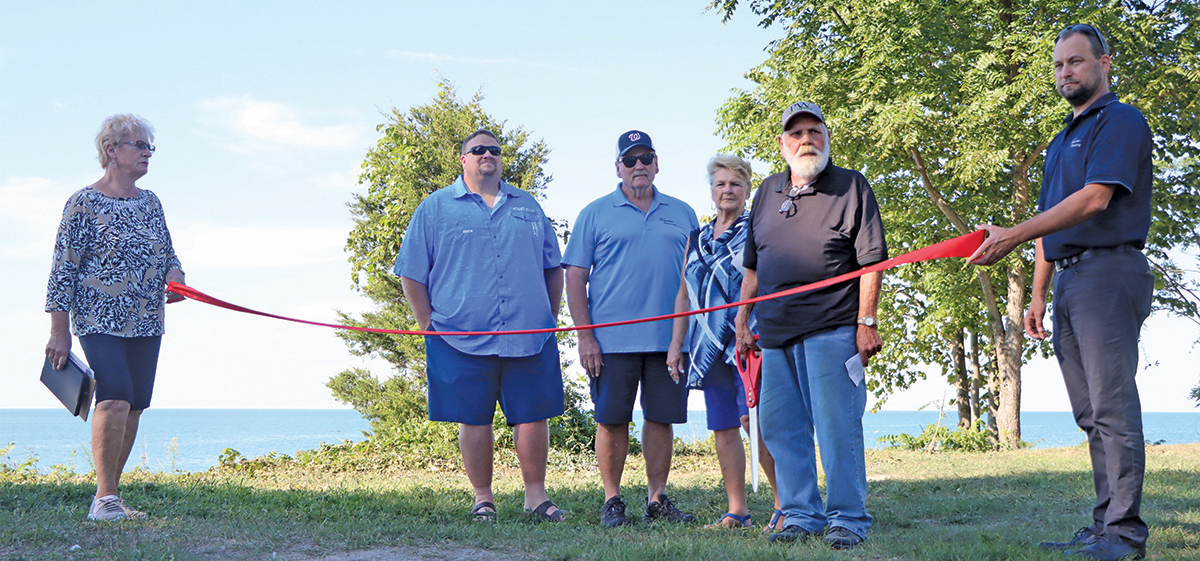
Heather Wright/The Independent Plympton-Wyoming Mayoral Candidate Tim Wilkins says he’s not a “big believer” in Strong Mayor Powers but says if he did use them, it would be to pick the town’s chief administrative officer. The statement came during the first of two All-Candidates night in the town; this one organized by the Huron Shores Optimist Club in Camlachie Oct.
Read More
Front Page
Politicians did know about Clean Harbors project says CAO
October 7, 2026
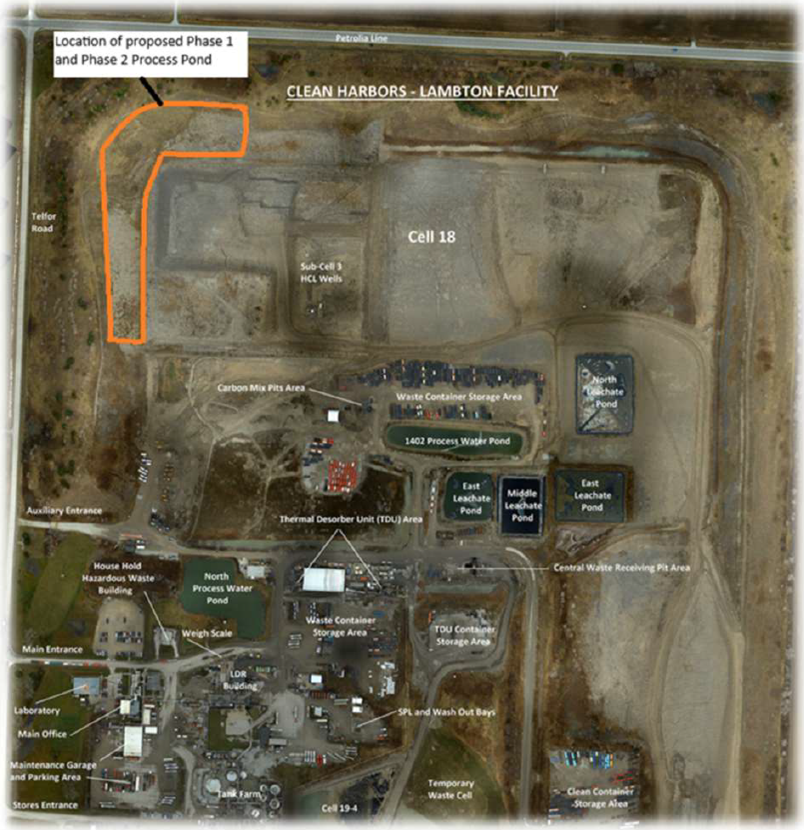
Heather Wright/The Independent St. Clair Township officials say members of councillors were aware of a new storm water project at Clean Harbors. And, they say, officials have not yet considered appealing the decision by the Environmental Compliance Approvals Branch of the Ministry of the Environment, Conservation and Parks allowing the project to go ahead. In Oct. 2025, the US-based company
Read More

Front Page
Flyers goaltender Brown posts first PJHL win
October 7, 2026
Barry Wright/The Independent A trip to Aylmer Saturday will be a lifelong memory for Petrolia Flyers goaltender Ryder Brown. He kicked out 44 shots for his first career PJHL victory backstopping the Flyers to a 6-3 win against the Spitfires. Rhett Joy and Casey Guerette led the winners with a goal and an assist each. Nathan Beer, Nathan Reidhead, Noel
Read More

Front Page
Flags snap losing streak with a pair of weekend wins
October 7, 2026
Barry Wright/The Independent Casey Schouten had a goal and three assists to lead the Mooretown Flags to a 5-1 win over Amherstburg in PJHLaction Saturday at the Moore Sports Complex. The Flags are now 3-3-2 on the season. Jack Baerg scored twice for the winners with the others going to Wes Robertson and Carson Crawford. Jace Dupuis had three assists.
Read More