Trustee candidate calls for the return of ‘true’ history

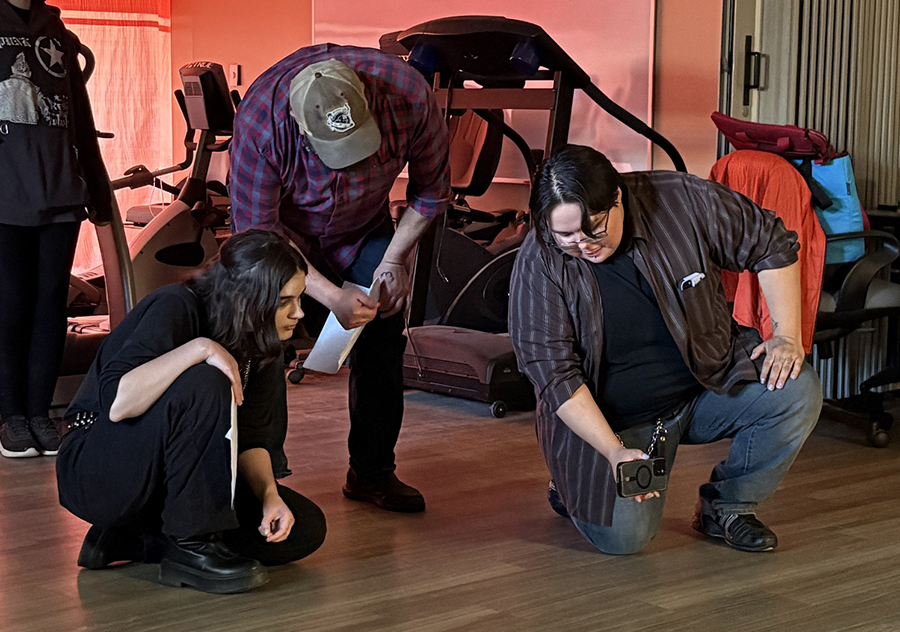
‘We had nobody in there to protect us’ says Hill during Indigenous Film Fest
April 27, 2026
Blake Ellis/The Independent
“I still have a hurt child in me,” said Roberta Hill, a survivor of the Mohawk Institute, a residential school in Brantford.
“You will never change that but I have learned as an adult that I have a voice and I am going to use my voice.”
Hill was speaking at a question and answer session Sunday at the Kineto Theatre in Forest, where the Lambton Shores Indigenous Film Festival was being held. The screening of Nature of Healing was presented which reflected the perspectives of survivors who attended the Mohawk Institute as children.
The Brantford school stood for 130 years, closing in the 1970s. The documentary tells of physical, sexual and emotional abuse at the hands of the school’s staff. Children were taken from their home, some as young as five years of age, to live at the school.
Ninety-six children died at the Mohawk Institute.
Residential schools were established across the country with the intent of stripping children of their Indigenous culture. The last of Canada’s residential schools closed in 1996.
The Canadian government has given an official apology to survivors. So have the churches which operated the residential schools for the government. During Sunday’s question and answer session, Hill was asked if that was enough.
“I am not going to cut any of them any slack,” she said. “We had nobody in there to protect us. The ministers who were running the place were the biggest abusers so I think they could have done more. I think the churches should have done more.”
The Mohawk Institute was nicknamed the Mush Hole because of the poor quality of food the children were given. Often students were given two slices of bread with a slab of jam.
Roberta’s sister, Dawn Hill is also a survivor of the Mush Hole.
She says Rev. John Zimmerman – the head of the Mohawk Institute at the time the Hill sisters were students – had been transferred to the Mohawk Institute because he was found to be abusing little boys.
“He was sent to the Mush Hole, where he had a whole congregation of little boys,” said Dawn. “The personnel that were hired had the same mentality as he did.”
Roberta Hill believes the government should be taking more responsibility.
“They just want us to go quiet again, stay quiet, stop talking about it and move on,” said Roberta. “We have a life-long history that has impacted us greatly.”
“I know people say I should be forgiving. I haven’t got there yet,” said Roberta.
When their time at the Mush Hole ended, children, including the Hill sisters, were put into the foster care system.
Dawn explained in the first foster home she lived in, the foster parents didn’t understand the kind of life she had lived at the Mohawk Institute including the violence which was part of daily life there.
“You had to learn to fight, you had to learn to defend yourself. There was no nurturing, there was no comfort or anything like that,” explained Dawn.
While she was in foster care, Dawn said her sister visited at Christmas. She had something Dawn wanted and she wouldn’t give it up. So, Dawn punched her in the face, gave her a bloody nose and took it. Her foster mother was shocked.
Dawn Hill added children were sent to foster homes across the country and the United States, including her friend, Barbara Whiteye, who she met at the Mohawk Institute. She was sent to a foster home in Vermont and was only able to return home when her foster parents took her to see her father. He refused to let her return to Vermont.
After living at the Mohawk Institute, the children were often naive, backward and poorly educated. In one instance, a child had been at the Mohawk Institute for five years and had only advanced from Grade 3 to Grade 5, Mills said.
Dawn’s foster parent asked her when her birthday was. “How would I know, no one ever celebrated a birthday at the Mush Hole,” said Dawn.
Instead of telling her she didn’t know, Dawn made up a date, July 5.
When her foster mother received the proper paperwork, it was found her birthday was Sept. 5.
Survivors are working at establishing a memorial park on five acres right beside the former Mohawk Institute to remember all who were affected by the residential school. The Hill sisters are very much involved with Roberta serving as president and Dawn as secretary-treasurer of that effort.
This was the 11th Lambton Shores Indigenous Film Festival.
Ruth Illman says it began after the Truth and Reconciliation Report was released as a way to become educated about Canada’s residential school system and its impacts. But she says it has grown over the years.
“It’s been a celebration of Indigenous culture and our neighbours culture, but it’s also been an educational process,” Illman said noting Kettle and Stony Point artist Candace Scott Moore has brought joy to the celebration.
Illman says over the years, the film festival has compelled the former teacher to help the community understand more about their Indigenous neighbours.
“I taught history, and I could have done a whole lot more than what I did…I know we’re doing so much more and so much better as far as educating our communities now than we did then. But, you know, it just opened my eyes. I thought ‘you could have done a better job.’”
NEXT
Alvinston Killer Bees win two at Outlaw Tournament
PREVIOUS
Rely on historic downtown for tourism says TSL’s Veen

Front Page
Trustee candidate calls for the return of ‘true’ history
October 14, 2026
Audience member calls the messaging ‘quite alarming’ Heather Wright/The Independent A candidate for the Lambton-Kent public school board says she will “stand strong against the progressive heists of the Canadian education system” including returning to the “history we all grew up with” so students can be proud to be Canadian. Cynthia Workman’s words raised some eyebrows at the Brooke-Alvinston All-Candidates
Read More
Front Page
Lambton College to open more seats in health, STEM, trades
October 14, 2026
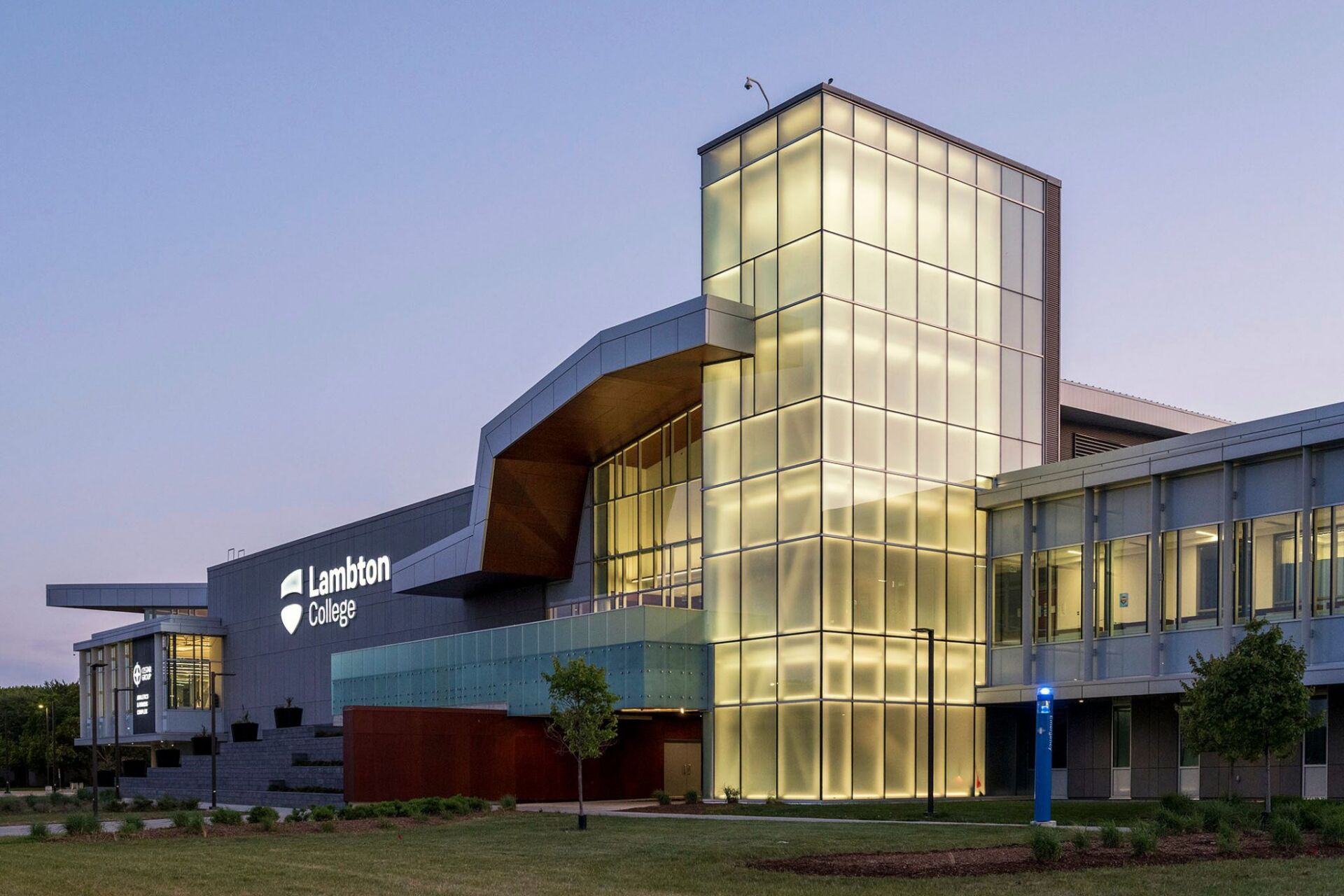
The Independent There will be space for about 300 more students in Lambton College next year. Lambton College is among the post secondary institutions which submitted a proposal for more classroom spots for in demand fields. Friday, the province announced 2,077 new spaces across southern Ontario, including 297 at Lambton College; 160 in Health programs, 90 in the STEM field
Read More
Front Page
Worker injured after falling through Sombra greenhouse roof
October 14, 2026
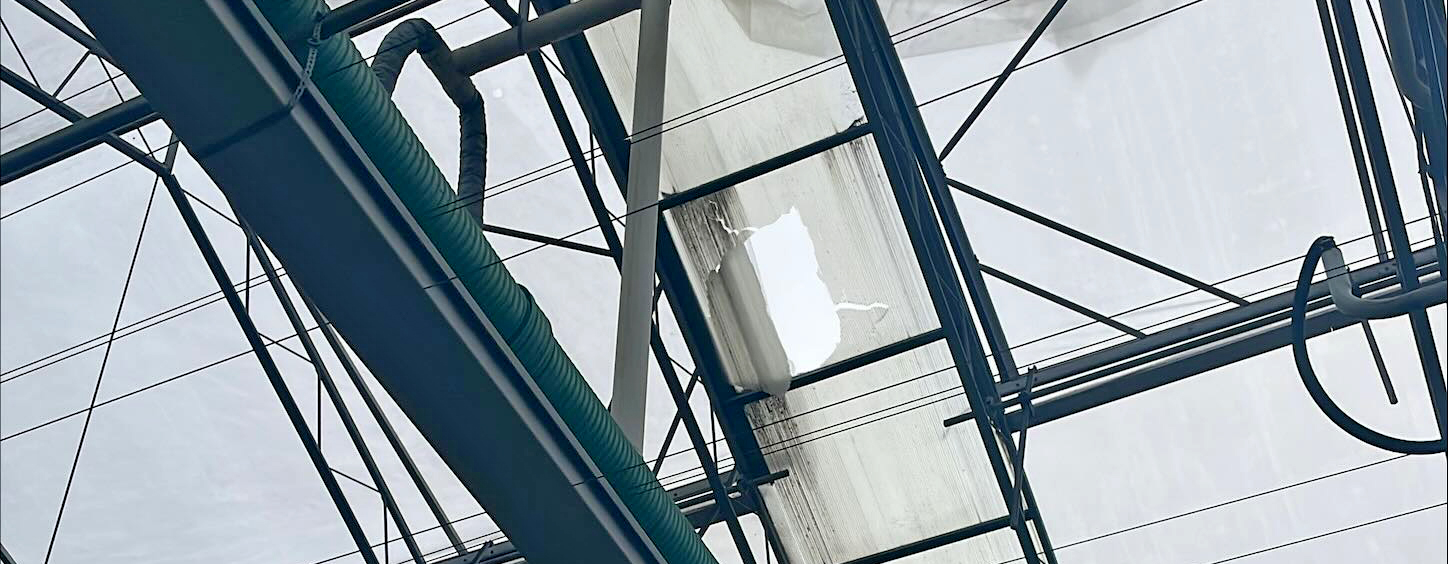
OPP, Ministry of Labour investigating The Independent A worker at a Sombra greenhouse was taken to hospital by air ambulance Wednesday morning after crashing through the roof. St. Clair Township fire officials say the department was called to the Envirofresh Produce greenhouses near CF Industries on the St. Clair Parkway just after 9 am. Chief Richard Boyes says a man
Read More
Front Page
Paving on rebuilt Grand Bend Bridge continues Thursday
October 14, 2026
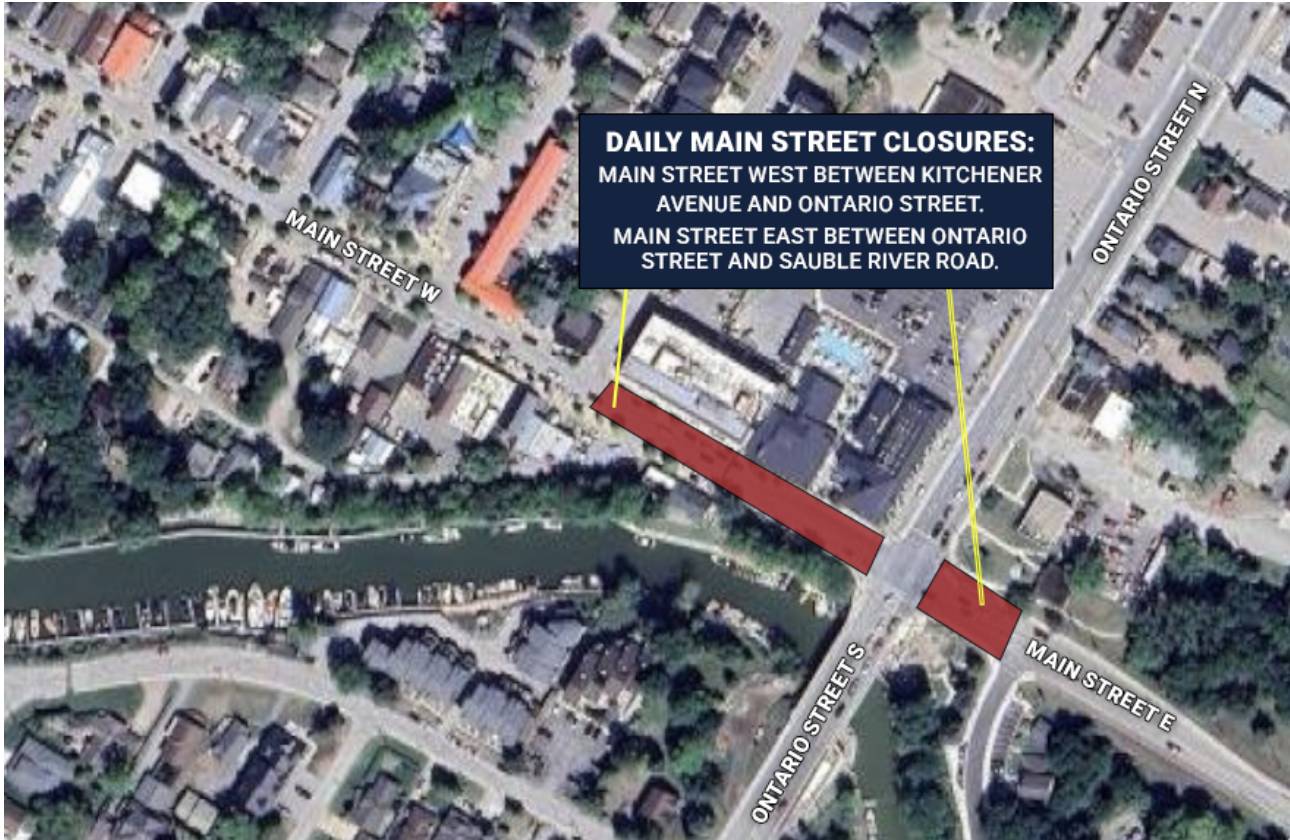
The Independent Drivers heading to Grand Bend are going to face some traffic slowdowns starting Thursday. The project to widen the bridge has been going on for two years, with work taking place before and after the busy summer tourist season. So far, officials say the concrete work, bridge retaining walls, waterproofing the east half of the new deck and
Read More